March 4, 2026
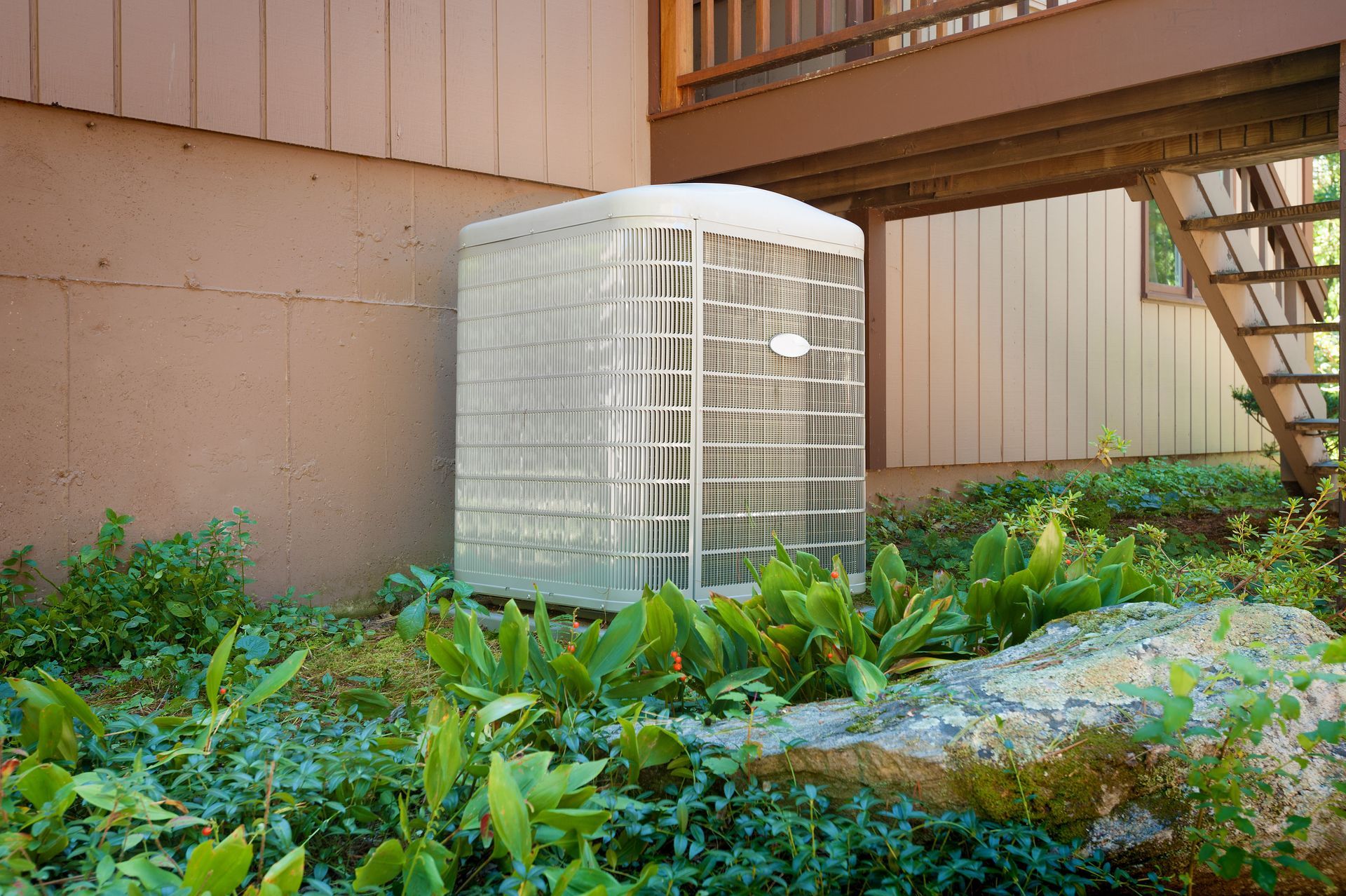
Because we spend a significant portion of our time indoors, the quality of the air inside our homes plays a critical role in our overall health. Central air systems do far more than keep indoor temperatures comfortable—they actively support a cleaner, healthier living environment. By filtering airborne contaminants and regulating humidity, these systems help create conditions that promote both physical comfort and long-term wellness. When properly maintained with an HVAC company, central air systems operate at peak efficiency, delivering consistent air circulation and improved indoor air quality. Routine inspections, filter changes, and timely repairs ensure that homeowners receive the full health benefits these systems are designed to provide while also extending their operational lifespan.
1. Improve Indoor Air Quality
Clean air is essential for maintaining good health and well-being, particularly for vulnerable individuals such as children, the elderly, and those with existing health conditions. Indoor air quality can be compromised by several pollutants, including dust, mold, and volatile organic compounds (VOCs) emitted from household products. Central air systems play an essential role in filtering these contaminants, ensuring that the air we breathe indoors is clean and healthy. The filtration process is particularly important during the pollen-heavy seasons when allergens are at their peak.
According to Bob Vila, a home improvement resource, a high-quality and well-maintained central air-conditioning system under average demand typically lasts 12 to 17 years, highlighting the importance of proper maintenance for sustained benefits. Effective removal of pollutants contributes to a reduction in respiratory ailments, such as allergies and asthma attacks. The significance of clean air becomes more apparent when considering its impact on mental health, as poor air quality can lead to increased stress and cognitive difficulties. Thus, keeping the air clean significantly supports both physical and mental health.
Moreover, central air systems ensure comfort and hygiene by regulating humidity levels, which is paramount for preventing mold growth and reducing dust mite populations. High humidity levels are conducive to mold spores, which can exacerbate respiratory issues. By maintaining the ideal humidity levels indoors, central air systems play a dual role in improving air quality and creating a more comfortable environment. All these factors articulate the importance of central air systems for a healthier living space.
2. Maintain System Performance
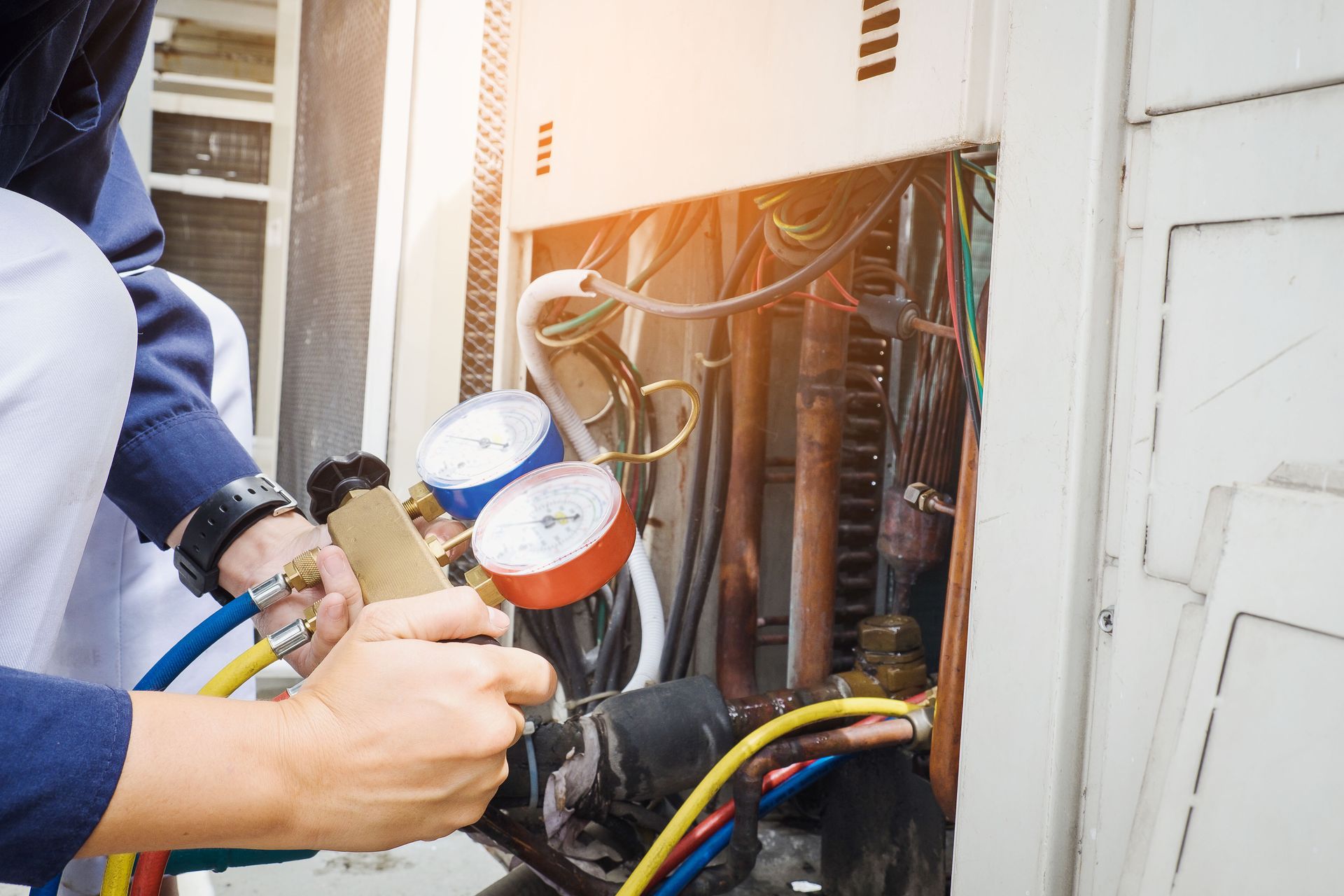
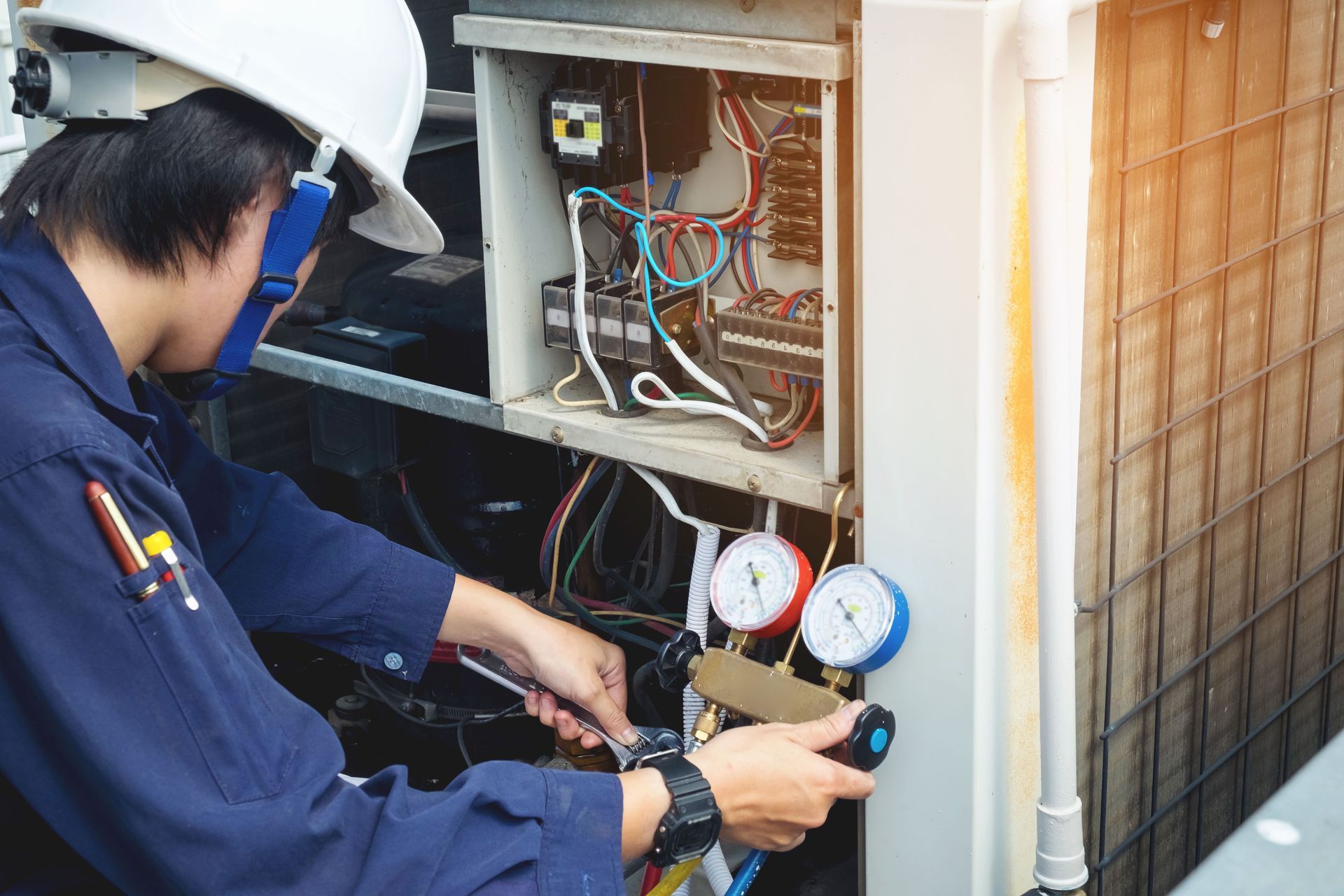
An efficient central air system requires regular maintenance by a professional HVAC company. These experts provide comprehensive services, from routine inspections to urgent repairs, ensuring that the system functions optimally. An HVAC company will check elements like air filters, ducts, and coils, which are critical components in maintaining high air quality. Regular maintenance helps prevent serious malfunctions that can be costly and detrimental to air quality.
Engaging a proficient HVAC company also includes ensuring the system is operating efficiently with energy conservation in mind. This not only saves on energy bills but also contributes to the longevity of the system. Additionally, a knowledgeable HVAC team can recommend newer technologies and upgrades that can further enhance air filtration and system performance. With advanced equipment, these companies are well-positioned to offer the best solutions tailored to specific household needs.
Ultimately, the role of an HVAC company extends beyond repairs and into the arena of health improvement through ensuring optimal air quality. By signing up for regular maintenance plans, homeowners can avoid unexpected breakdowns and keep the system running smoothly year-round. This proactive approach results in clean, healthy air and a reduced likelihood of health issues associated with poor indoor air quality. Regular collaboration with an HVAC company, therefore, supports sustained health and comfort.
3. Remove Airborne Contaminants
Central air systems incorporate sophisticated filtration methods designed to remove impurities from indoor air. These systems typically employ filters with varying levels of efficiency to capture large particles as well as microscopic pollutants. From our experience, high-efficiency particulate air (HEPA) filters, for example, are capable of trapping up to 99.97% of airborne particles that are 0.3 microns in diameter or larger. This level of filtration is particularly beneficial for individuals with allergies or respiratory conditions.
Furthermore, air systems are now equipped with activated carbon filters that are designed to neutralize odors and trap larger particles from pollutants like smoke and VOCs. These filters enhance the air quality by providing a fresher, cleaner feel indoors. Regular replacement of these filters ensures consistent performance and an optimally functioning system. The filtering capabilities of central air systems, therefore, play a pivotal role in maintaining healthy indoor environments, particularly in urban areas where outdoor pollutants can infiltrate indoor spaces.
In addition to mechanical filtration, many modern central air systems utilize UV light technology to further purify the air by eliminating bacteria, viruses, and mold spores. The combination of these advanced filtration methods offers comprehensive measures to combat air pollution within a space. By adapting and integrating the latest filtration technologies, central air systems provide a vital function in enhancing air quality and, consequently, health and well-being.
4. Reduce Allergy and Respiratory Symptoms
Allergies and respiratory conditions are significantly impacted by indoor air quality, making central air systems a vital asset for individuals sensitive to allergens. These systems efficiently filter out common allergens such as dust mites, pollen, and pet dander, contributing to a decrease in allergy symptoms. By reducing exposure to allergens within the home, sufferers can experience a noticeable improvement in their overall quality of life. This is particularly beneficial during peak allergy seasons, where outdoor pollen levels are high and can infiltrate indoor spaces.
Furthermore, the ability of central air systems to regulate humidity levels plays an integral role in mitigating respiratory complications. High humidity can exacerbate asthma symptoms and encourage the growth of mold and mildew, both of which are detrimental to respiratory health. By maintaining optimal humidity, central air systems can reduce the risk of mold formation and alleviate respiratory discomfort. This underscores the necessity of such systems in homes, ensuring year-round comfort and improved respiratory health.
An investment in a central air system extends beyond just an immediate improvement in comfort; it contributes to the long-term management of respiratory conditions. By providing consistent air filtration and humidity control, these systems are essential in elevating life quality for individuals with chronic respiratory issues. This proactive approach to indoor air quality management can result in fewer doctor visits and reduced dependence on medications to manage symptoms.
5. Promote Long-Term Health
The long-term health benefits of improved air quality facilitated by central air systems are numerous and well-supported by scientific research. Reduced exposure to indoor pollutants correlates with decreased incidence of chronic respiratory diseases and improved cardiovascular health. The consistent circulation of clean air can also lead to mental health improvements, as studies have shown a link between air quality and cognitive function. These systems play a crucial role in creating an environment that supports both physical and mental health.
Additionally, a well-maintained central air system is a sustainable investment in health, given that a system under average demand can last from 12 to 17 years. This durability provides continuous health benefits without the need for frequent replacements or upgrades, provided the system undergoes routine maintenance. Optimal performance of these systems ensures ongoing air quality improvements and a sustained enhancement to household health. It offers a cost-effective way to secure a safe and healthy living environment.
Central air systems are an essential component of a healthy home environment. Through effective filtration, balanced humidity control, and consistent airflow with the help of an HVAC company, they reduce exposure to allergens, pollutants, and airborne irritants that can negatively impact respiratory and overall health. Regular professional maintenance ensures these systems continue to perform efficiently and reliably for years to come. By investing in proper care and upkeep, homeowners not only enhance daily comfort but also safeguard their long-term well-being. Ultimately, a well-maintained central air system represents a proactive step toward cleaner air, improved health, and a more sustainable living space. Reach out to Malone Heat & Air, Inc to learn more about our services today.