August 14, 2026
Energy efficiency in cooling systems is a key focus for homeowners and business operators. Traditional cooling methods often fall short of modern environmental and financial expectations, prompting a shift toward innovative alternatives. Among these solutions, the ductless mini split has emerged as a preferred choice for maintaining comfortable temperatures. By removing the need for extensive structural modifications, this technology provides an elegant approach to climate control.
This method offers unparalleled flexibility, suiting a wide range of architectural designs. Whether updating a historic home or outfitting a commercial space, this targeted approach adapts seamlessly to spatial requirements. Through advanced compressor design and localized air delivery, these units manage indoor climates with precision.
Understand the Mechanics of Targeted Cooling
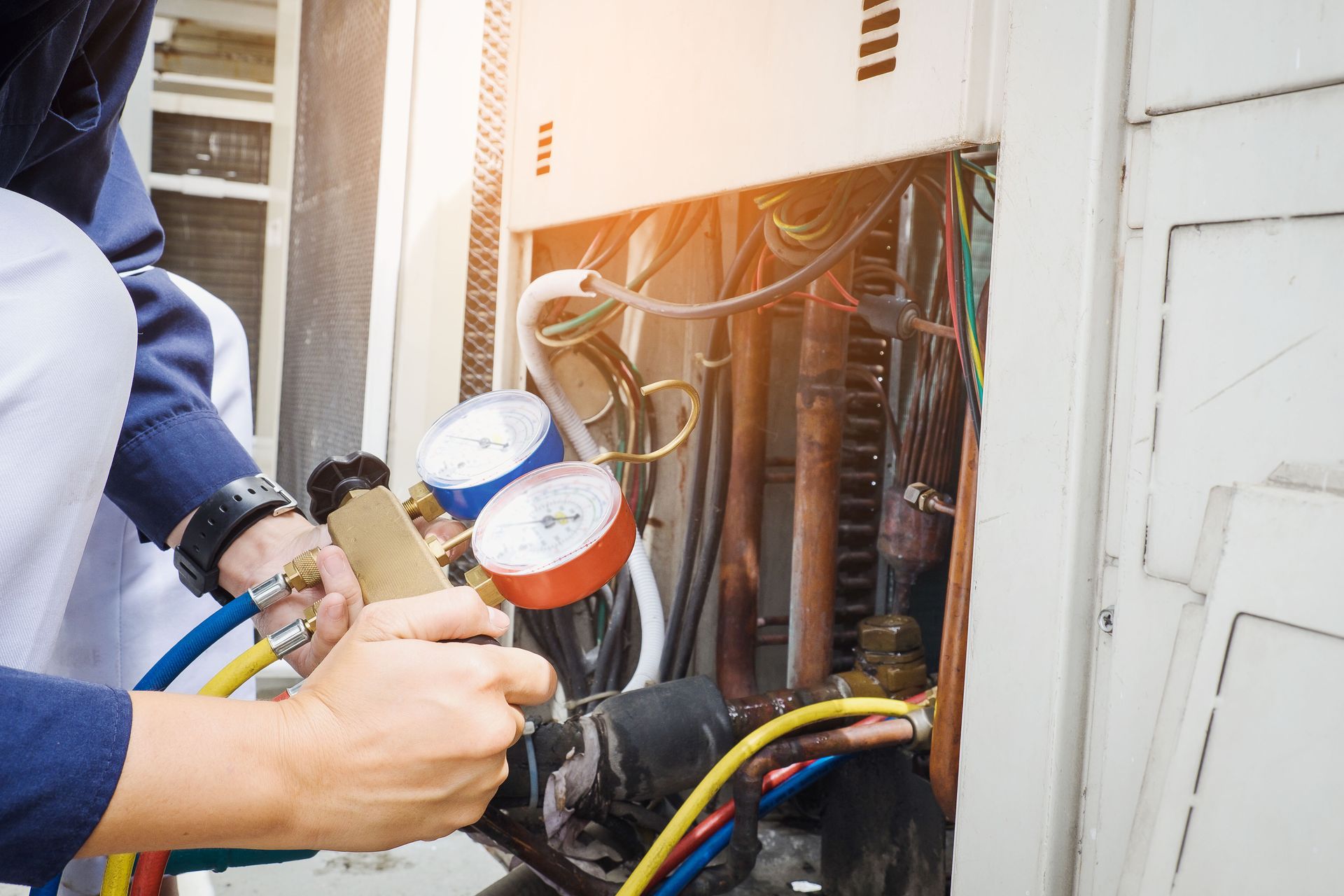
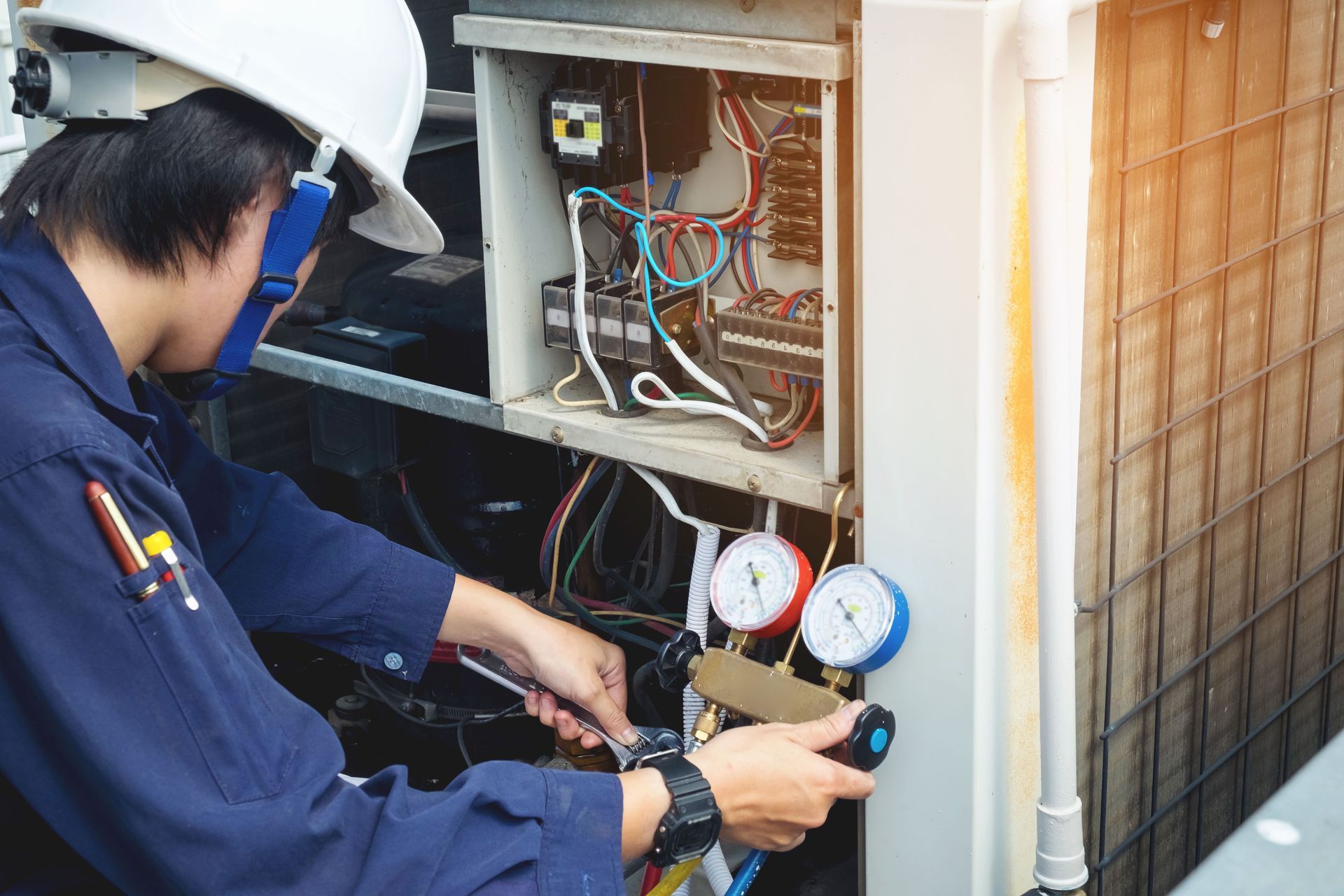
Operating a ductless mini split involves a refrigeration cycle that transfers heat outdoors. The architecture consists of an outdoor compressor linked to indoor air-handling units through small refrigerant lines. The outdoor unit pumps refrigerant inside, absorbing heat from the room. The cooled air circulates back into the living space, while absorbed heat travels outside to be released. This continuous loop ensures a stable indoor climate without relying on expansive network channels.
Eliminating structural channels allows these systems to bypass common inefficiencies found in conventional designs. According to the Department of Energy, relying on a zonal cooling setup significantly limits the energy waste typical of central forced-air systems, since hidden ductwork accounts for over 30% of overall air conditioning power consumption. By delivering conditioned air directly into the room, the system prevents cool air from escaping into attics. This guarantees energy consumed translates directly into noticeable comfort.
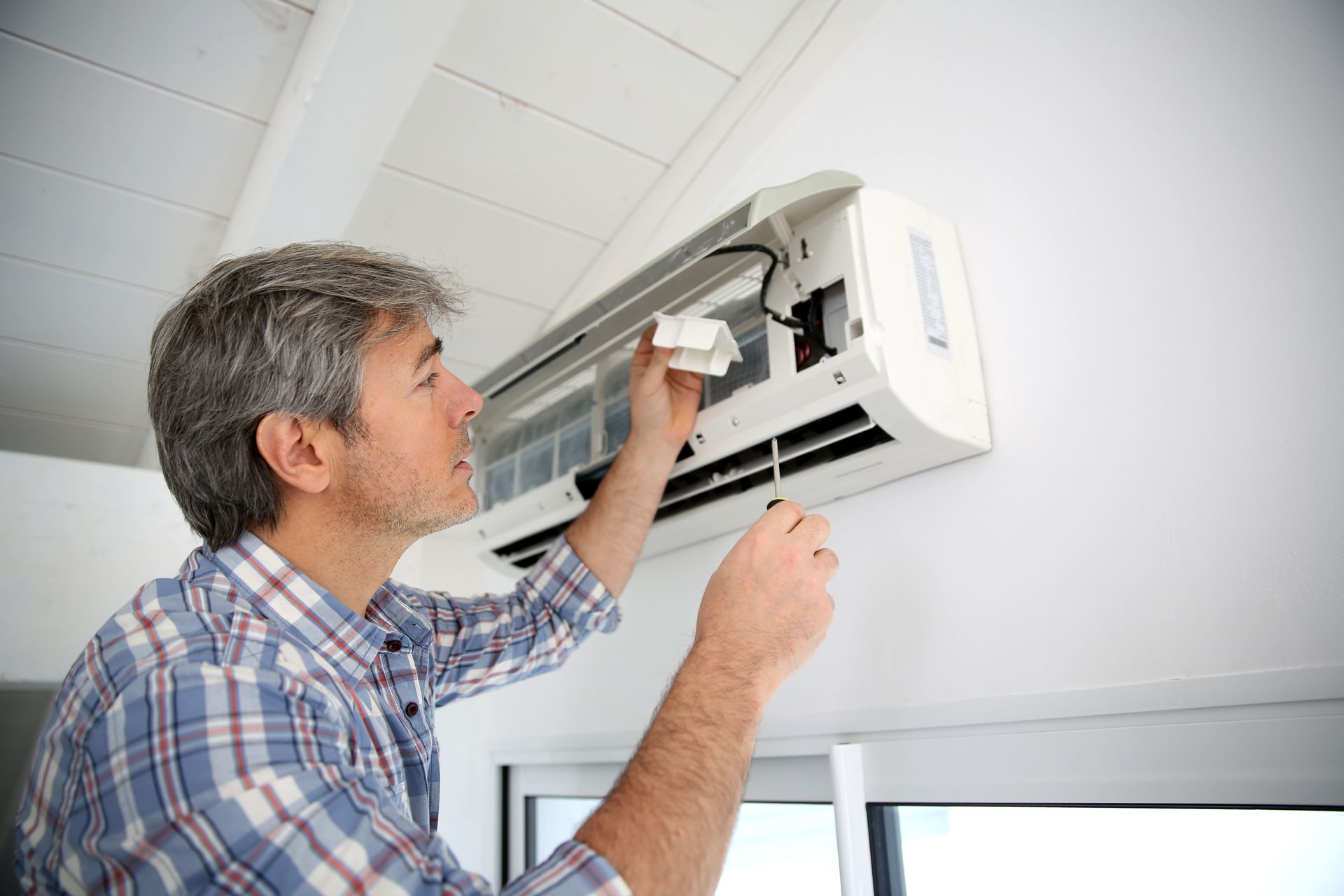
This modular design allows customized temperature regulation across various building areas. Technicians mount sleek indoor units on walls or ceilings, depending on constraints and aesthetic preferences. Because each air handler operates independently, occupants adjust the climate in their specific zone without affecting the rest of the building. This targeted capability reduces mechanical strain on the outdoor compressor, preserving the equipment and ensuring long-term reliability.
Compare Mini Splits With Centralized Systems
Comparing modern alternatives with centralized setups reveals clear distinctions in daily performance. Centralized networks rely on a single unit to push air through a maze of hidden channels, conditioning unoccupied rooms by default. This blanket approach wastes electrical power and struggles to maintain uniform temperatures across sprawling floor plans. A ductless mini split avoids this issue entirely by treating each room as a distinct thermal zone.
Installation complexity highlights a stark contrast between these cooling methodologies. Putting in a centralized network requires tearing into walls to accommodate bulky metallic pathways. Such extensive remodeling disrupts daily life and inflates labor expenses. Conversely, setting up targeted cooling units requires only a small hole to connect the indoor and outdoor elements. This minimally invasive process allows owners to upgrade their climate control rapidly and with minimal disruption.
Zonal operation provides another distinct advantage over older frameworks. Central thermostats measure the temperature in a single living room, leaving other areas either too hot or too cold. Targeted systems use individual sensors within each specific air handler, ensuring every room achieves its precise desired climate. Such precise regulation eliminates the dreaded hot and cold spots that plague so many residences, yielding a higher level of everyday comfort.
Maximize System Efficiency for Utility Savings
Lowering utility bills remains a primary motivation for upgrading to modern cooling architecture. Because these units sidestep thermal losses associated with vast hidden air channels, they require far less electricity to achieve the same cooling effect. When occupants leave a room, they can power down that specific zone, halting energy consumption in unoccupied spaces. This control empowers homeowners to cool only the rooms they actively use, preventing rampant power waste.
Modern compressor technology plays a massive role in reducing electricity consumption and keeping operational costs low. Unlike older machines that toggle on and off at full blast, these advanced units feature variable-speed compressors. This technology allows the compressor to adjust its output dynamically, operating at lower speeds to maintain the desired climate. By avoiding massive power spikes during startup, a ductless mini split uses electricity responsibly.
Reducing power demand supports broader environmental sustainability goals and decreases household carbon footprints. Generating less electricity means fewer fossil fuels burned at local power plants, translating to cleaner air for the community. The refrigerants utilized in contemporary models feature eco-friendly chemical compositions posing minimal threat to the ozone layer. Choosing to optimize domestic power consumption represents a meaningful step toward responsible environmental stewardship while keeping finances in check.
Enhance Indoor Air Quality and Comfort
Improving indoor air remains a vital benefit of modernizing a property's climate infrastructure. Centralized networks accumulate dust and pet dander within their expansive channels, blowing particles into living areas whenever the fan engages. Since targeted units lack these hidden pathways, they offer no space for contaminants to gather and multiply. This structural advantage supports a cleaner and healthier breathing environment for everyone inside the building.
Advanced filtration mechanisms built into these individual air handlers scrub the atmosphere as they operate. Multi-stage filters catch microscopic pollutants, pollen, and bacteria before returning freshly cooled air to the room. Maintaining these filters requires nothing more than a quick wipe or rinse, making it simple to keep the air pristine. For households managing respiratory sensitivities, installing a ductless mini split delivers peace of mind alongside refreshing breezes.
Managing excess humidity and reducing ambient noise further elevate the everyday living experience. These units effectively strip moisture from the air, preventing the damp feeling that precedes mold growth. The mechanical components operate with whisper-quiet precision, ensuring that blowing air never drowns out conversations or disrupts restful sleep. Combining crisp, filtered, and properly dehumidified air with near-silent operation creates a truly serene domestic sanctuary.
Assess Spatial Requirements for System Installation
Evaluating the physical space serves as a foundational step before installing new equipment. Matching the cooling capacity to the square footage of the room prevents widespread operational issues. An undersized unit runs continuously without reaching the desired temperature, while an oversized model will short-cycle, failing to remove humidity properly. Careful measurement ensures the chosen equipment aligns perfectly with the thermal demands of the specific environment.
Examining room layouts and exterior conditions helps determine optimal placement for interior and exterior hardware. Indoor handlers require clear, unobstructed pathways to distribute air evenly across the entire space. Outdoor compressors need adequate ventilation and protection from severe weather to maintain peak performance and longevity. Consulting with a qualified technician guarantees all components sit in ideal locations, balancing aesthetic concerns with raw mechanical efficiency.
Establishing a comprehensive budget requires weighing initial purchase prices against anticipated long-term savings. While outfitting an entire property with a multi-zone ductless mini split might present a notable upfront investment, the streamlined installation process minimizes labor fees. Over time, the drastic reduction in monthly utility expenditures offsets the initial cost, yielding a strong return on investment. Careful financial planning ensures a smooth transition to superior climate control without unexpected strain.
Transitioning to an advanced cooling framework presents a clear path to exceptional energy conservation and personalized indoor comfort. By delivering conditioned air directly to specific zones, these systems eliminate wasteful thermal losses and drastically improve daily indoor air quality. Their remarkably quiet operation and flexible installation options make them a superior choice for nearly any layout. When you are ready to upgrade your property with a reliable ductless mini split, we invite you to contact Malone Heat & Air to discuss how we can transform your environment today.