March 13, 2026
When people think about heating and cooling systems, comfort is usually the first thing that comes to mind. Homeowners expect their HVAC system to keep indoor temperatures consistent throughout the year, whether it’s cooling a home during the summer or providing warmth in the winter. However, HVAC systems do much more than regulate temperature. They play a major role in determining the quality of the air you breathe every day.
Indoor air quality has become an increasingly important topic, especially as people spend more time inside their homes. Dust, allergens, humidity, and airborne contaminants can accumulate indoors, affecting both comfort and health. In many cases, the condition and performance of your HVAC system directly influence how clean and healthy your indoor air truly is. Understanding how these systems work can help homeowners make better decisions about maintenance, upgrades, and even air conditioning replacement when necessary. Below are several ways HVAC systems impact indoor air quality more than many people realize.
Understanding the Connection Between HVAC Systems and Indoor Air
Your HVAC system functions as the central circulation network for air inside your home. Every time the system runs, it pulls air through filters, circulates it through ductwork, and redistributes it into different rooms. Because of this process, any contaminants within the system can easily spread throughout the entire house.
Dust, pollen, pet dander, and other particles often accumulate in air ducts and filters over time. If these components are not properly maintained, the system may continuously circulate polluted air instead of filtering it effectively. In some cases, aging systems that require air conditioning replacement may struggle to maintain proper airflow and filtration, which can further impact indoor air quality. Regular maintenance, including filter changes and duct inspections, helps ensure that your HVAC system continues to support a healthier indoor environment.
Recognizing the Role of Air Filters in Cleaner Air
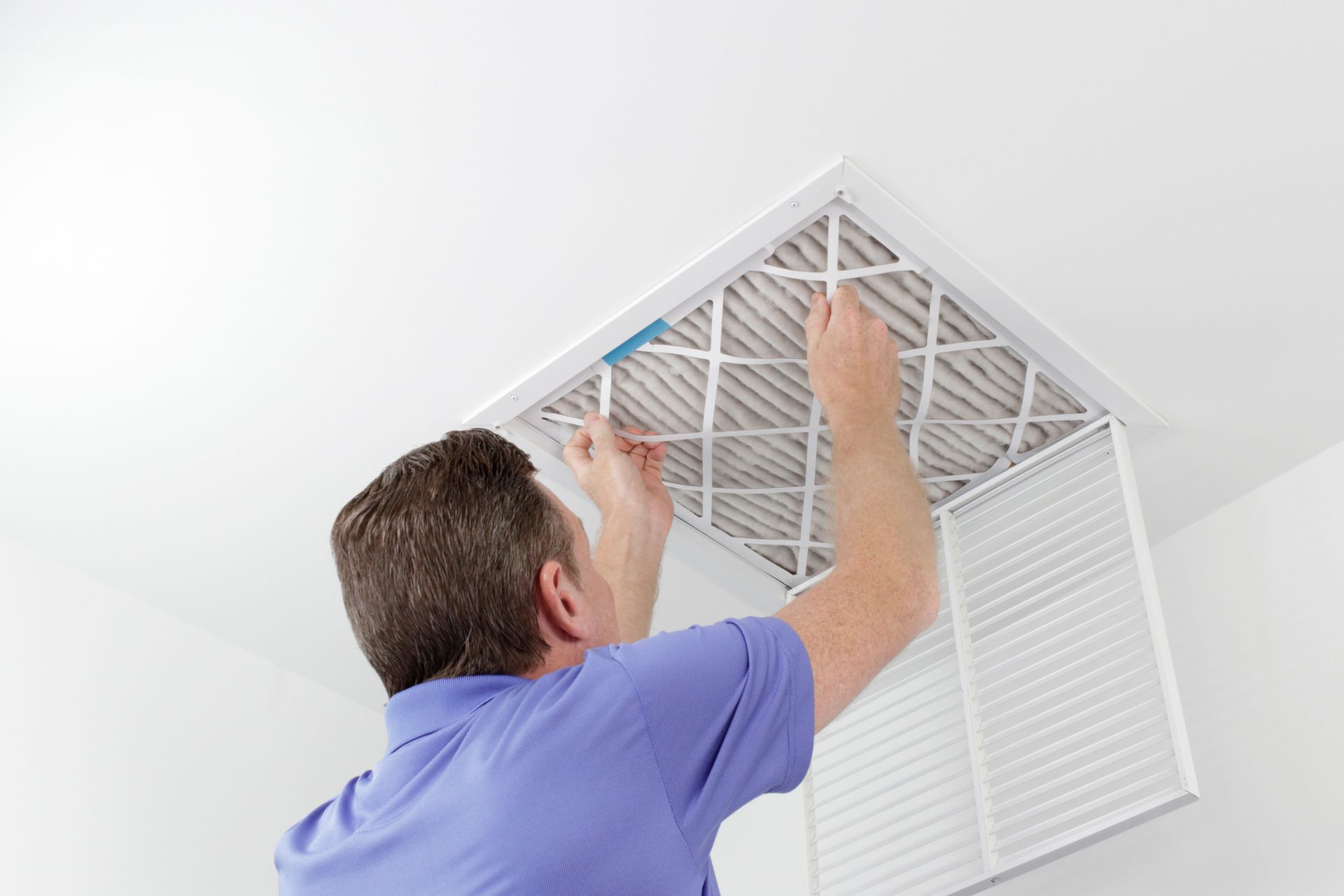
Air filters are one of the most important components of any HVAC system when it comes to indoor air quality. Their primary function is to capture airborne particles before they circulate throughout your home. The quality and condition of these filters directly influence how effectively contaminants are removed from the air.
Low-quality filters or filters that are not replaced regularly can allow dust and allergens to pass through the system. Over time, this can lead to increased respiratory irritation, allergy symptoms, and general discomfort. Higher-efficiency filters can capture smaller particles, improving overall air cleanliness.
However, even the best filters cannot compensate for an aging or poorly performing system. In situations where HVAC equipment is outdated, homeowners may need to consider air conditioning replacement to ensure proper filtration and airflow throughout the house.
Managing Humidity Levels for Healthier Air
Humidity is another critical factor that affects indoor air quality. Excess humidity can encourage mold growth, increase dust mite populations, and create a musty indoor environment. On the other hand, air that is too dry can irritate the skin, throat, and respiratory system.
HVAC systems play an important role in maintaining balanced humidity levels within the home. Air conditioners remove moisture from the air as they cool it, helping to prevent damp conditions. When systems are working efficiently, they can maintain comfortable humidity levels that contribute to a healthier living environment. Older systems sometimes struggle to manage humidity properly, especially if they are oversized or nearing the end of their lifespan. In such cases, homeowners often begin exploring air conditioning replacement options to restore effective moisture control and overall comfort.
Preventing Airborne Contaminant Circulation
Another way HVAC systems influence indoor air quality is through the movement of airborne contaminants. When the system circulates air, it can distribute pollutants such as smoke particles, cooking fumes, or chemical odors throughout the home. Poorly sealed ductwork can also draw contaminants from areas like attics, basements, or crawl spaces. These pollutants can then enter the main living areas through the HVAC system.
Ensuring ducts are sealed and properly maintained helps reduce the spread of unwanted airborne particles. If the HVAC system is outdated or inefficient, airflow may become inconsistent, leading to uneven ventilation and increased pollutant buildup. In these cases, a professional evaluation may reveal that air conditioning replacement could improve both airflow and air quality.
Improving Ventilation Throughout the Home
Proper ventilation is essential for maintaining healthy indoor air. Homes that lack adequate ventilation can trap pollutants inside, allowing them to accumulate over time. HVAC systems help regulate airflow and bring fresh air into the home while exhausting stale indoor air.
Modern HVAC systems often include advanced ventilation features that improve air circulation and filtration. These systems can introduce controlled amounts of outdoor air while maintaining indoor temperature and humidity levels. When older systems no longer support proper ventilation, homeowners may begin considering air conditioning replacement as a way to upgrade to newer technology that enhances airflow and improves overall air freshness.
Identifying Signs of HVAC-Related Air Quality Problems
Many indoor air quality issues can be traced back to problems within the HVAC system. Homeowners should be aware of certain warning signs that may indicate the system is affecting air quality. Common indicators include persistent dust buildup, uneven airflow between rooms, unpleasant odors coming from vents, or worsening allergy symptoms indoors.
Excessive humidity or visible mold growth around vents may also signal ventilation problems. If these issues persist despite regular maintenance, it may be a sign that the system is nearing the end of its service life. In such situations, HVAC professionals may recommend air conditioning replacement to address the root cause of the problem and restore proper air circulation.
Evaluating Efficiency and Long-Term Performance
Energy efficiency plays an important role in HVAC performance and indoor air quality. Modern systems are designed to operate more efficiently while providing improved filtration, airflow control, and humidity management. Older units often require more energy to maintain the same level of cooling, which can strain the system and reduce its effectiveness. Inefficient operation may lead to inconsistent cooling cycles, poor airflow, and reduced air filtration.
Cost is a common concern when upgrading HVAC equipment. According to HomeAdvisor, three key factors that influence AC unit cost include home and unit size, AC efficiency, and labor costs for installation. Understanding these variables can help homeowners plan for future upgrades and determine when air conditioning replacement may be the most practical solution. Investing in a more efficient system not only improves comfort but can also enhance indoor air quality by maintaining consistent airflow and filtration.
Maintaining HVAC Systems for Cleaner Indoor Air
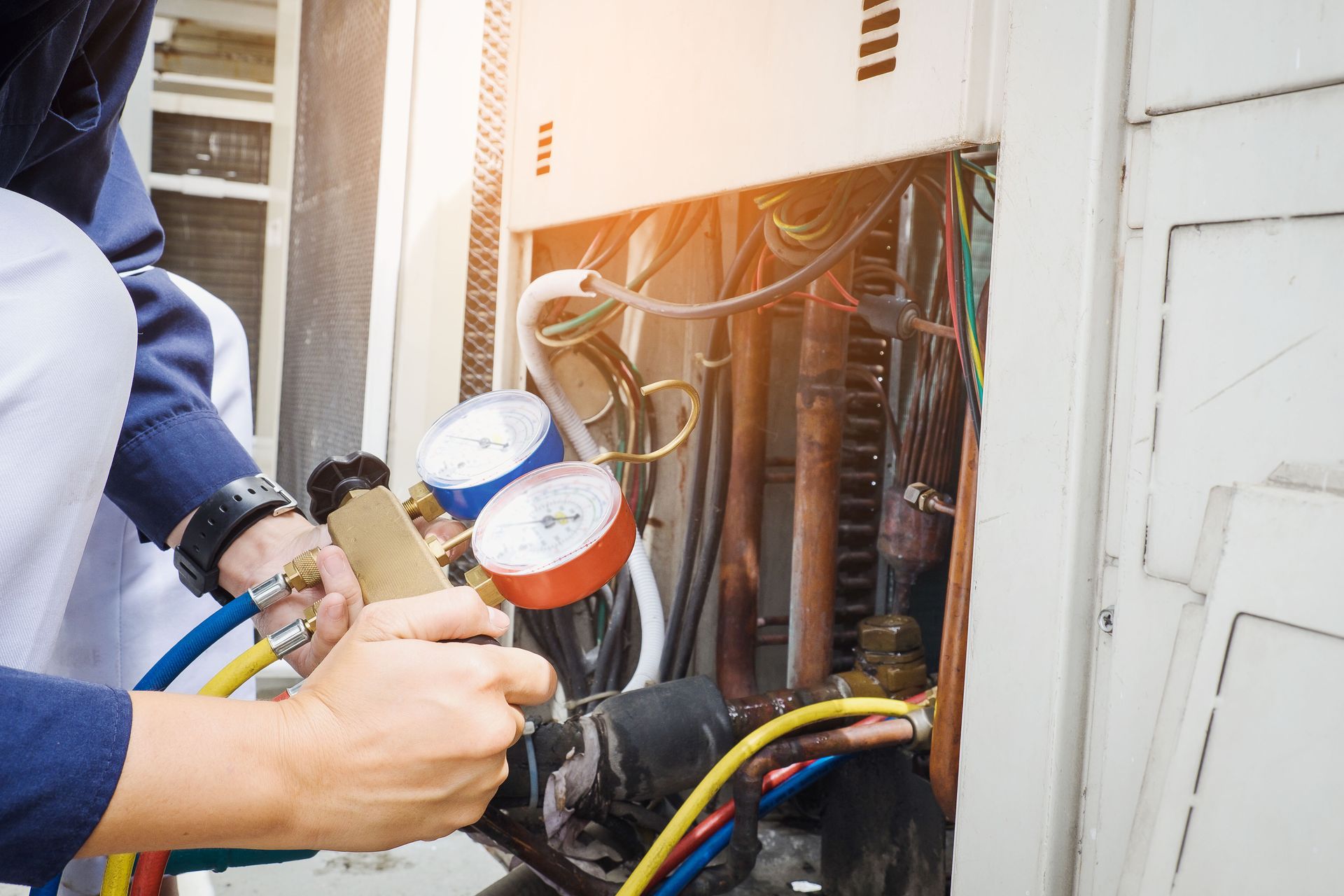
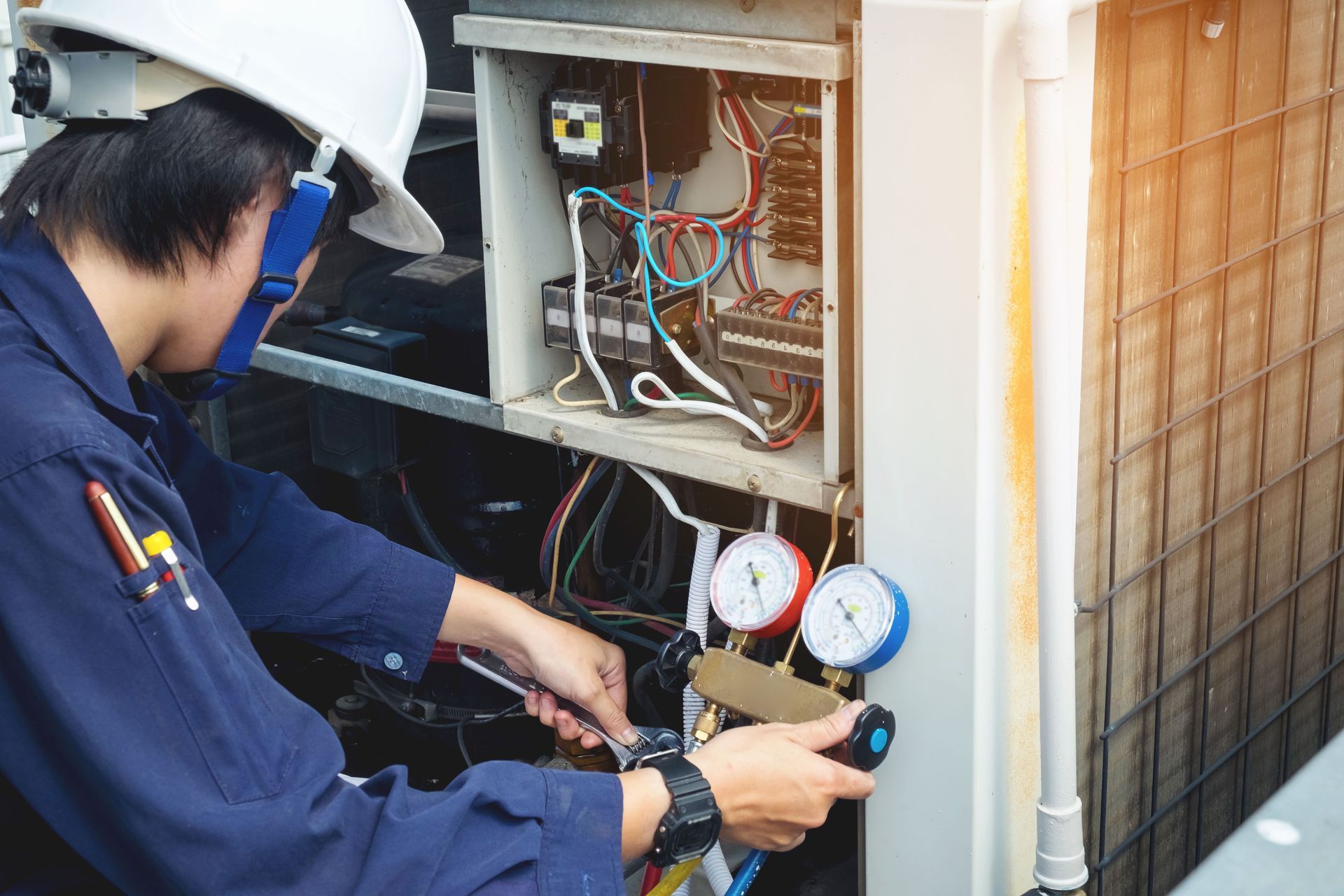
Routine maintenance remains one of the most effective ways to protect indoor air quality. Regular servicing helps ensure that all components of the HVAC system operate properly and efficiently. Professional maintenance visits typically include cleaning coils, inspecting ductwork, checking airflow levels, and replacing air filters.
These services help prevent contaminants from building up within the system. However, maintenance alone cannot extend a system’s life indefinitely. When equipment becomes outdated or unreliable, air conditioning replacement may be necessary to maintain both comfort and healthy indoor air conditions.
Making Smart Decisions About HVAC Upgrades
Improving indoor air quality often requires a combination of proper maintenance, upgraded filtration, and modern HVAC technology. Homeowners who understand how these systems affect air circulation and moisture control are better equipped to make informed decisions about repairs or upgrades.
Replacing outdated equipment can significantly improve ventilation, humidity management, and overall air cleanliness. A modern system designed for energy efficiency and advanced filtration can create a more comfortable living environment while reducing potential health concerns.
When evaluating whether to upgrade your system, consulting with experienced HVAC professionals is essential. Their expertise can help determine whether repairs are sufficient or if air conditioning replacement is the most effective long-term solution. Indoor air quality affects every aspect of home comfort, from respiratory health to overall well-being. Because HVAC systems play such a critical role in circulating and filtering air, maintaining them properly is essential for creating a healthier indoor environment.
If you suspect your current system is affecting your air quality or struggling to keep your home comfortable, it may be time to explore professional solutions. For guidance and dependable service, contact Malone Heat & Air, Inc today to learn how the team can help with air conditioning replacement and ensure your home’s air stays clean, comfortable, and healthy year-round.