February 4, 2026
When your home’s heating system starts acting up, the big question usually isn’t whether to call a professional—it’s whether you should fix what you have or invest in something new. That decision can feel overwhelming, especially when winter temperatures are looming and comfort is on the line. With so many HVAC contractors out there—according to IBISWorld, there are over 114,555 HVAC contractor businesses across America—it’s clear homeowners have options, but that also means you’ll want to make a well-informed choice before committing to a major service like furnace replacement. Understanding how long systems last, what repairs really cost, and what efficiency upgrades can do for your utility bills will help you choose the path that makes the most sense for your home and budget.
Evaluate the Age and Condition of Your System
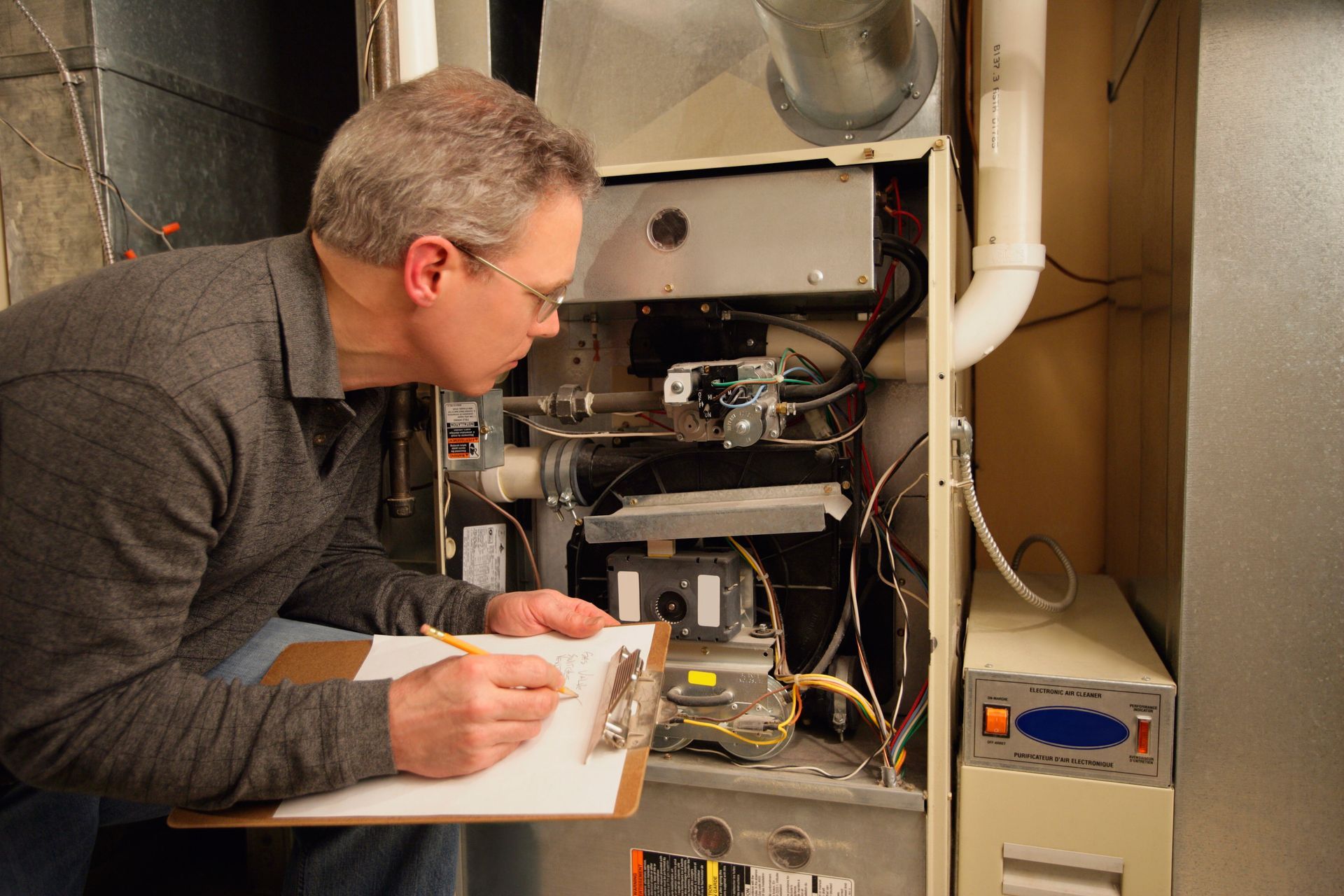
One of the first things to consider is how old your furnace is and how well it has been maintained. We have found that most residential units are designed to last somewhere between 15 and 20 years, though that range can shrink if routine upkeep has been skipped, the system was improperly sized, or the home has undergone major layout changes. Corrosion, visible rust inside the cabinet, short cycling, or difficulty igniting are often early red flags that internal components are wearing out faster than expected.
Homeowners should also think about how consistently they’ve scheduled professional tune-ups. Annual HVAC inspections and ongoing equipment maintenance can dramatically extend service life by catching small problems before they spiral into expensive breakdowns. Technicians can test safety controls, clean burners, calibrate thermostats, and inspect airflow throughout the home to ensure the system is operating as designed. If your furnace has already required multiple major fixes in recent seasons, it may be time to weigh whether continued repairs make financial sense compared to planning ahead for furnace replacement before an emergency strikes.
Compare Repair Costs Against Long-Term Value
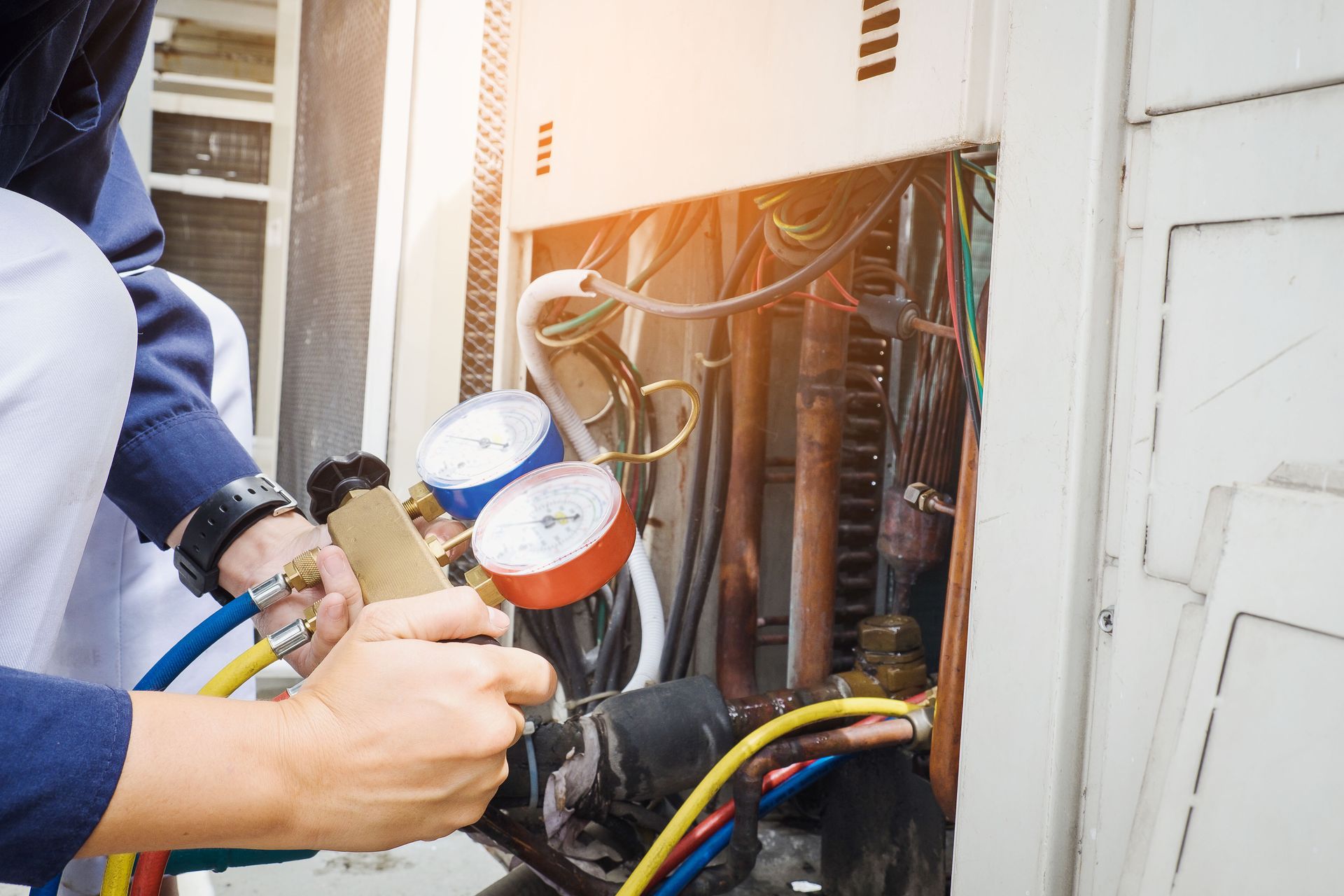
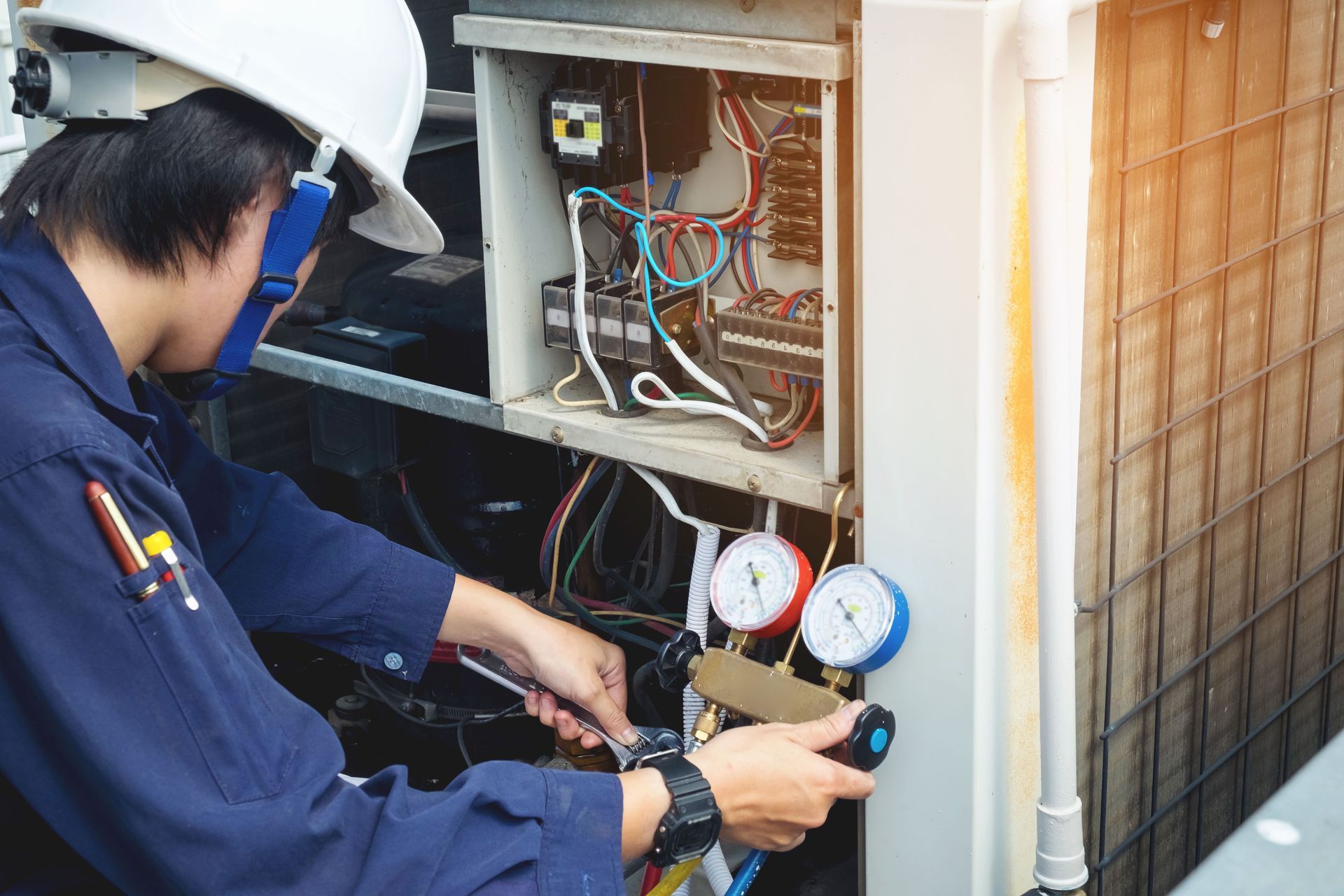
Not every malfunction means your system is finished. Loose electrical connections, dirty sensors, worn blower belts, clogged condensate lines, or airflow restrictions from aging ductwork can often be corrected quickly and affordably by a skilled technician. In many cases, HVAC repairs paired with services like coil cleaning, duct sealing, or airflow balancing restore comfort and efficiency without forcing a major investment.
The calculation changes when repair estimates start climbing or when the same component keeps failing year after year. A cracked heat exchanger, failing inducer motor, or major control board replacement can come with a hefty price tag—particularly for older models with discontinued parts. Spending large sums repeatedly can quietly approach the cost of a new system. At that tipping point, homeowners frequently find that choosing furnace replacement offers better long-term value, fewer surprise breakdowns, and the peace of mind that comes with new warranties, updated safety features, and manufacturer-backed performance guarantees.
Assess Energy Efficiency and Utility Savings
Heating technology has changed dramatically over the last couple of decades. Today’s systems are engineered to deliver far higher efficiency ratings, meaning more of the energy you pay for actually goes into warming your home instead of being lost through exhaust or outdated mechanical processes. Older furnaces, even if they still run, often waste fuel through antiquated burners, leaky heat exchangers, inefficient blowers, or poor airflow distribution.
If your winter utility bills feel disproportionate to the size of your house, your heating system could be a major contributor. Pairing a new unit with upgraded ductwork, zoning controls, or mini splits in additions and converted spaces can dramatically improve comfort while lowering costs. Homeowners remodeling older homes or finishing basements often benefit from HVAC modification and expansion that ensures every room receives adequate heat without overworking the main system. Many families discover that the monthly savings achieved after furnace replacement help offset the upfront investment faster than expected.
Consider Safety, Comfort, and Indoor Air Quality
Your heating system doesn’t just regulate temperature; it also plays a crucial role in indoor air quality and household safety. Cracked heat exchangers can allow carbon monoxide to seep into living spaces, while aging components may struggle to maintain steady airflow, leading to cold spots, dusty rooms, and persistent dryness. Frequent cycling, loud operation, rattling noises, or unusual smells are all warning signs that deserve immediate professional evaluation rather than guesswork.
Sometimes these problems can be addressed with targeted repairs, retrofitting, or HVAC design and installation updates that better match your home’s layout. Improved filtration systems, humidifiers, and sealed combustion technology can dramatically enhance comfort and breathing conditions throughout the winter. In other situations, the safest route is transitioning to a modern unit built to today’s codes and efficiency standards. When comfort and safety are compromised, homeowners often lean toward furnace replacement as the most dependable way to restore confidence in their heating system for the long haul.
Plan for Home Upgrades and Future Needs
Your long-term plans for the house should factor heavily into this decision. Finishing a basement, building an addition, or converting an attic into living space all change how much heat your home requires. A system that once felt adequate may suddenly struggle to keep up, leading to uneven temperatures and increased wear from constant operation. HVAC modification and expansion, along with new duct runs or zoning systems, can sometimes adapt an older unit to changing demands—but only within certain limits.
Installing a properly sized, newly engineered system designed around your updated floor plan can deliver better airflow, quieter operation, and more consistent temperatures throughout the home. It can also boost resale appeal by giving future buyers confidence that the heating infrastructure is modern and dependable. Homeowners who expect to stay in their property for many years often view
furnace replacement as an investment in long-term comfort, efficiency, and home value rather than a short-term expense.
Weigh Professional Guidance and Service Options
With so many HVAC companies operating nationwide, selecting a knowledgeable local provider makes a huge difference in how smoothly this process goes. A thorough evaluation should include detailed load calculations, duct inspections, efficiency comparisons, and a clear explanation of repair versus installation scenarios tailored to your equipment and home layout. Homeowners should feel comfortable asking questions about operating costs, warranty coverage, maintenance plans, and the expected lifespan of different models before making a final decision.
From annual inspections and coil cleaning to ductwork improvements and full system redesigns, having one team that can handle every stage of your heating needs simplifies future care and protects your investment. Contractors who offer free estimates and financing options also make it easier to plan responsibly rather than delaying necessary work. When all the variables—age, efficiency, safety, repair history, and upcoming home projects—are evaluated together, the right choice between continued repairs and furnace replacement becomes much clearer.
Making the call between repairing your current system and installing something new isn’t always easy, but informed homeowners are far more likely to end up satisfied with their decision. If you live in Chattanooga, TN or North Georgia and want an honest evaluation of your heating system, reach out to Malone Heat & Air, Inc for a free estimate and flexible financing options. Our team offers annual HVAC inspections, HVAC design and installation, equipment maintenance, retrofitting, ductwork services, mini splits, HVAC repairs, and system modifications to fit your home’s needs. When you’re ready to explore whether another repair will do the trick or if it’s time for furnace replacement, we’re here to help keep your home warm, efficient, and worry-free all winter long.