April 13, 2026
Managing a home's heating and cooling system throughout the year requires consistent attention, basic upkeep, and an understanding of how HVAC equipment responds to seasonal temperature changes. A properly maintained heating and cooling system does more than regulate indoor comfort. It also supports energy efficiency, helps maintain healthier indoor air, and reduces the likelihood of unexpected performance issues during extreme weather.
Whether preparing for colder winter conditions or warmer summer months, taking a proactive approach to system care helps maintain steady comfort and reduce the risk of disruption. Seasonal maintenance focuses on prevention, ensuring your equipment continues operating effectively throughout the year. Staying consistent with upkeep also helps extend the overall efficiency of a heating and cooling system.
Seasonal Heating and Cooling System Preparation
Each season places different demands on HVAC systems. As temperatures shift, equipment transitions between heating and cooling modes or increased usage levels. This makes seasonal changeovers an important time to evaluate system performance and complete routine maintenance for heating and cooling systems. Taking time during these transitions helps support long-term efficiency and balanced operation throughout the year.
Inspect and Replace Air Filters Regularly
Air filters play an important role in supporting airflow and helping reduce the buildup of dust and debris within the system. When filters become clogged, airflow can become restricted, which may affect overall performance. Replacing filters regularly helps support consistent system operation and balanced airflow throughout the home.
Check Thermostat Performance and Settings
The thermostat serves as the control point for your HVAC system. Adjusting settings as seasons change helps maintain comfortable indoor temperatures. Smart thermostats can also provide improved scheduling options and allow for more efficient temperature management based on daily routines. Proper thermostat management supports stable operation of heating and cooling systems.
Schedule Preventive System Evaluation
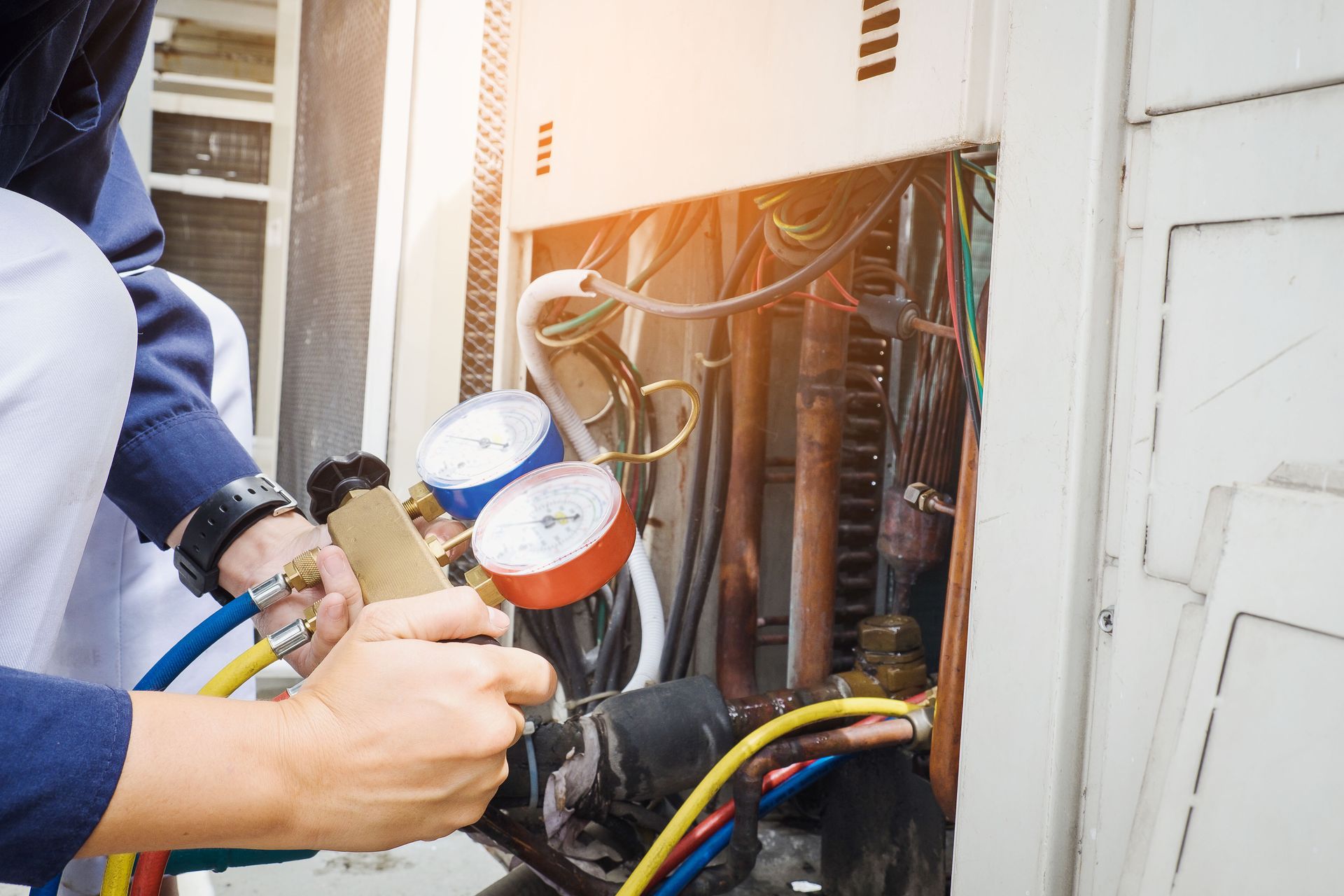
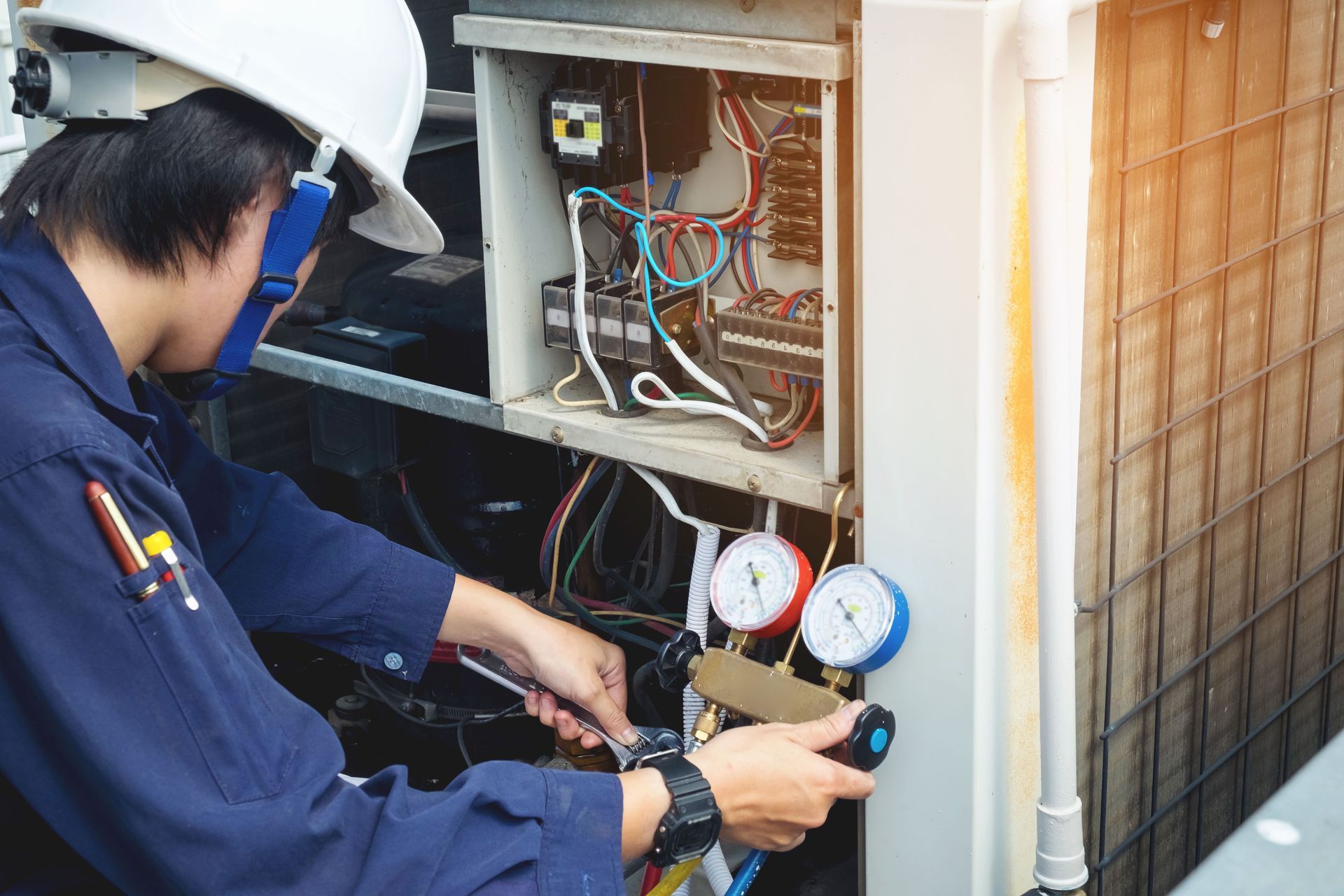
Routine HVAC evaluations help identify early signs of wear or performance issues before they become more serious. During a seasonal check, system components such as electrical connections, airflow performance, and overall operation can be reviewed to help maintain smooth function throughout the year.
Cold Weather Heating Performance Management
Cold weather increases demand on heating systems, making consistent operation especially important. Preparing the system ahead of seasonal temperature drops helps maintain steady indoor comfort and reduces strain during peak usage periods. This stage of maintenance plays an important role in supporting a dependable heating and cooling system during winter conditions.
Ensure Proper Airflow Throughout the Home
Unobstructed vents and registers help support balanced airflow across living spaces. When airflow is restricted, certain areas of the home may experience uneven temperatures. Keeping airflow pathways clear supports more consistent heating performance and helps maintain overall comfort.
Monitor Heating System Performance
If the heating system is running longer than usual or struggling to maintain comfortable temperatures, it may indicate reduced efficiency or system strain. Paying attention to changes in performance can help identify when service or evaluation may be needed before issues progress further.
Seal Drafts and Improve Insulation
Heat loss through windows, doors, and other openings can reduce system efficiency. Improving insulation and sealing gaps helps retain warm air indoors, reducing the workload on the system and supporting more consistent comfort throughout the home.
Warm Weather Cooling Performance Optimization
During warmer seasons, cooling systems operate more frequently to maintain comfortable indoor temperatures. Preparing the system ahead of peak heat helps maintain performance and reduce unnecessary strain on equipment. These steps help ensure a heating and cooling system can handle increased demand during summer conditions.
Keep Outdoor Equipment Clear
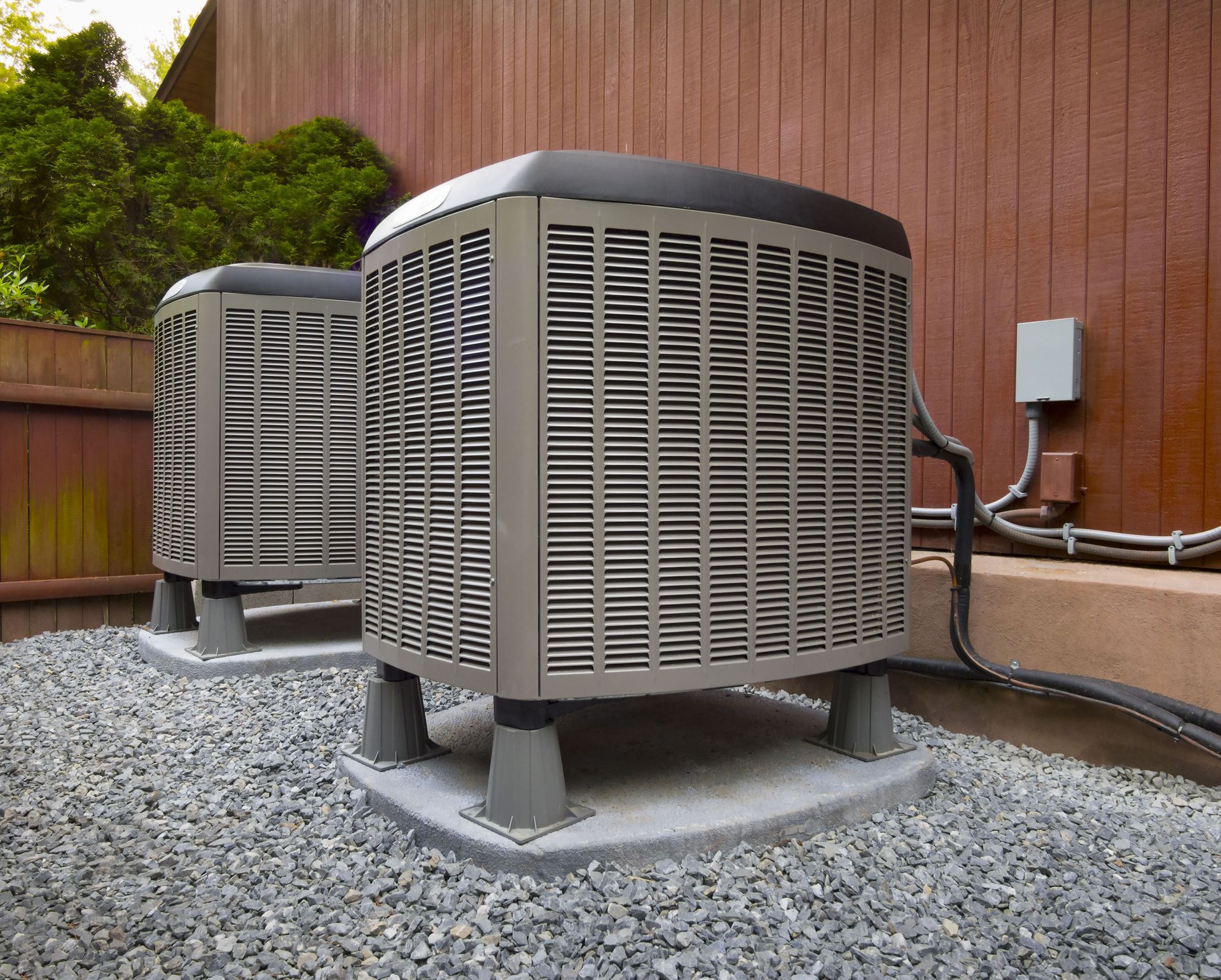
Outdoor HVAC components can become obstructed by leaves, dirt, and other debris. Keeping the surrounding area clean supports proper airflow and helps maintain efficient system operation during high-demand periods. Regular clearing of debris also helps reduce strain on system components.
Maintain System Performance Through Regular Evaluation
If cooling performance becomes inconsistent, a system evaluation may help identify underlying issues affecting operation. Addressing performance concerns early can help maintain comfort during peak summer conditions and prevent further system strain.
Reduce Indoor Heat Gain
Simple adjustments inside the home, such as limiting direct sunlight during peak hours or using ceiling fans to support air circulation, can reduce the overall workload on cooling equipment. These adjustments help maintain steady indoor temperatures and support system efficiency during warm weather.
Efficient Heating and Cooling Systems
Energy efficiency plays an important role in modern HVAC performance. Efficient systems are designed to maintain comfort while reducing unnecessary energy use, which can help manage utility costs and overall system demand. Improvements in efficiency often contribute to more consistent year-round operation. According to IIR, in 2024, 47% of new single-family homes used an air- or ground-source heat pump as the primary heating method.
As HVAC systems age, performance can gradually decline. In some cases, system upgrades or targeted improvements may help support better efficiency and more consistent operation over time. Modern thermostats can also improve system control by offering programmable settings and scheduling options that support more precise temperature management within heating and cooling systems.
Common Heating and Cooling Issues
Even well-maintained HVAC systems may experience performance changes over time. Recognizing early signs of potential issues can help prevent more significant disruptions and support continued operation. Regular attention to system behavior helps maintain long-term efficiency.
Uneven Temperature Distribution
Differences in temperature between rooms may indicate airflow imbalance or issues within the duct system. Addressing airflow concerns can help improve overall comfort and consistency throughout the home. These imbalances can also affect overall system performance if left unaddressed.
Unusual Noises or Odors
Unexpected sounds or odors coming from HVAC equipment should be addressed promptly, as they may indicate mechanical or operational concerns that require evaluation. Identifying these changes early can help reduce the risk of more serious system issues.
Rising Energy Usage
An increase in energy usage may indicate that the system is working harder to maintain desired temperatures. This can sometimes result from reduced efficiency, restricted airflow, or aging equipment. Monitoring usage trends helps support early detection of performance concerns.
Long Term Heating and Cooling Maintenance Strategies
Consistent maintenance plays an important role in supporting long-term HVAC performance. A combination of seasonal care and periodic evaluation helps maintain efficiency throughout the system's lifespan. Establishing a routine helps reduce unexpected disruptions and supports steady operation.
Establish a Regular Maintenance Routine
Overall, routine tasks such as filter replacement and seasonal system checks help support consistent performance and reduce the likelihood of unexpected issues. Maintaining a schedule ensures that system care is not overlooked during seasonal transitions.
Use Professional HVAC Services When Needed
Professional HVAC service provides a more detailed evaluation of system performance. This can help identify issues that may not be visible during routine homeowner maintenance and support ongoing system efficiency. Regular service helps maintain long-term operational consistency.
Consider System Replacement Over Time
All HVAC systems experience normal wear over time. When performance declines significantly, evaluating replacement options may help restore comfort and improve efficiency. Planning ahead can help reduce disruption during system failure.
Seasonal Heating and Cooling System Care Conclusion
Maintaining a heating and cooling system throughout the year is key to consistent comfort, smooth performance, and long-term efficiency. Regular upkeep, seasonal preparation, and timely system evaluations all help reduce the chance of unexpected issues while supporting steady operation across changing weather conditions.
With proper care, HVAC systems can continue delivering dependable indoor comfort in every season. Homeowners looking for professional heating, cooling, and indoor air quality services can learn more with Malone Heat & Air, Inc, which offers a full range of HVAC solutions, including system installation, maintenance, repair, ductwork services, air quality improvements, thermostat installation, and emergency support.