April 13, 2026
Understanding the reasons behind frequent cold spots in your home can help improve comfort and efficiency. This article delves into various aspects of heating systems that could account for these issues. By diagnosing potential weaknesses and receiving professional heating repair, you can address them effectively and enjoy a more comfortable living environment. We will explore aspects ranging from insulation problems to the common nuances of system operation. Whether it is the drafts seeping in through old windows or a misplaced thermostat, identifying the root cause is the first step toward a warmer home.
Investigating Inadequate Insulation
One major reason for cold spots in your home could be the use of low-quality insulation materials. These materials fail to effectively trap heat, allowing cold air to infiltrate your living spaces. Over time, these inferior insulation solutions deteriorate, further reducing their effectiveness. Quality insulation and heating repair acts as a barrier, keeping warm air inside and cold air out, so it pays off in the long run to invest wisely. Poor insulation can also result in higher energy bills as your heating system works overtime to maintain a comfortable temperature.
Considering the Age of Insulation
Even resilient insulation materials have a lifespan, after which they begin to fail. As insulation ages, it compresses and becomes less effective, leading to noticeable cold spots. Older homes, by default, might not meet current insulation standards, creating efficiency issues. Ensuring your home has up-to-date insulation can dramatically improve comfort and heating efficiency.
Identifying Insulation Gaps and Voids
Insulation is only effective when installed without gaps or voids. Inadequate installation often leaves unfilled corners or spaces, directly affecting the thermal barrier's integrity. These gaps are invisible yet allow a significant amount of cold air to infiltrate during colder months. Proper installation involves careful attention to detail, ensuring each area of your home is adequately covered. Inspecting and sealing these gaps can help eliminate cold spots and prevent the overtaxation of your heating system.
Reviewing Inadequate Coverage Areas
Sometimes, certain areas of the house are neglected when installing insulation. Attics, basements, and crawl spaces are prime examples, as they are less frequented by homeowners. These areas, if inadequately insulated, contribute to cold air seeping into living areas. These spaces can act as conduits for cold air to travel to other parts of the house. Ensuring comprehensive coverage during insulation installation and heating repair is essential for effective thermal management of your home.
Diagnosing Faulty Heating Equipment
A malfunctioning thermostat can be a silent culprit in creating cold spots within a home. When thermostats fail to read temperatures accurately, it results in inefficient heating cycles. Many homeowners, upon misinterpreting the cold spots as a larger heating issue, overlook the smaller yet significant thermostat problem. A timely calibration or replacement can solve such issues before they escalate. Given the advanced technology available, opting for smart thermostats could mitigate many of these inefficiencies.
Addressing Problems With the Furnace or Boiler
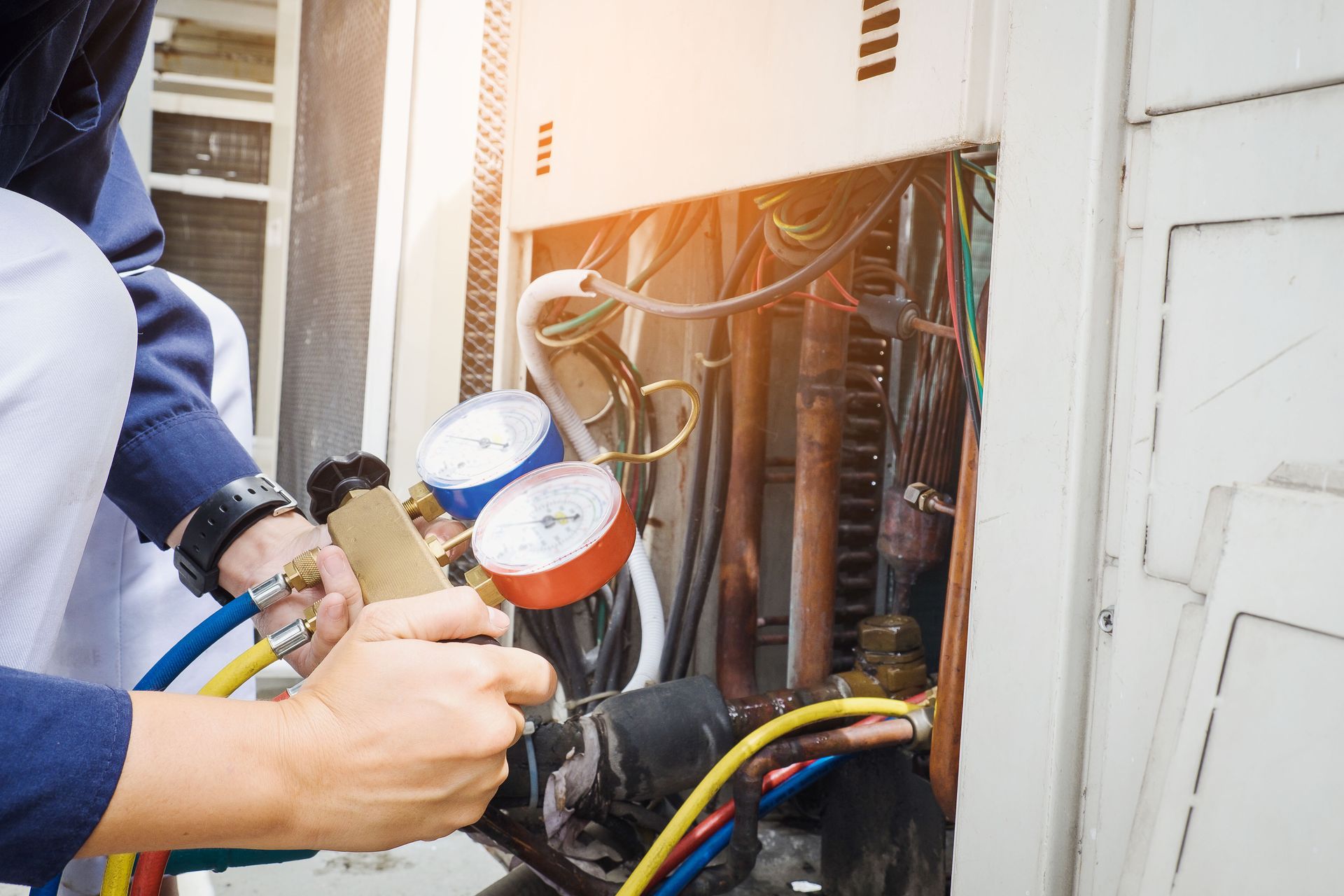
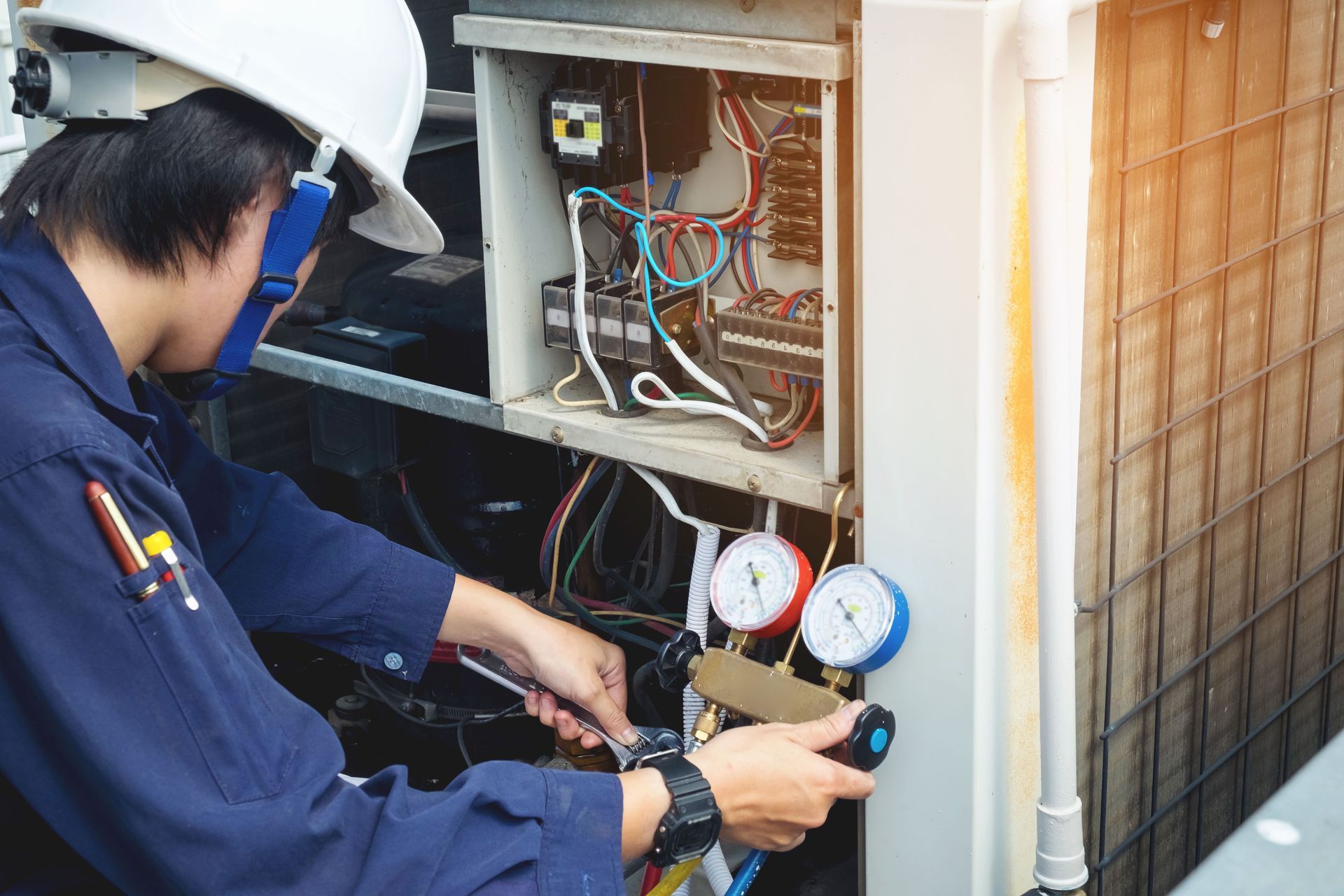
Central to the performance of your heating system is the functioning of the furnace or boiler. Issues such as old age, wear and tear, or faulty parts can severely hamper their performance. Cold spots can be signs that your furnace or boiler is not distributing heat evenly throughout the house. Regular maintenance checks can catch minor issues before they become significant problems. These systems often set the baseline for home heating efficacy, so keeping them in top shape is crucial.
Optimizing Inefficient Heat Pumps
Heat pumps, while generally energy-efficient, can falter, causing uneven distribution of heat. When a heat pump struggles, it becomes visibly hard to maintain consistent temperatures. Any inefficiency or malfunction results in cold spots across different rooms. It is essential to ensure these systems are properly sized for your home, as underpowered or older units can fall short. As heat pumps undergo wear and tear, professional heating repair becomes indispensable to ensure optimal function.
Accounting for Age and Wear
As heating systems age, they naturally lose efficiency, directly impacting heating consistency and contributing to cold spots. Parts begin to wear out, fan motors may falter, and systems generally underperform. Regular assessments can help identify age-related issues and decide when a system needs replacement. According to data from Carrier, nearly 19% of homeowners are planning to install a new HVAC system this year, making it a primary home improvement goal for 2026. Staying ahead of such replacements not only improves comfort but can significantly reduce energy bills.
Improving Improper Airflow
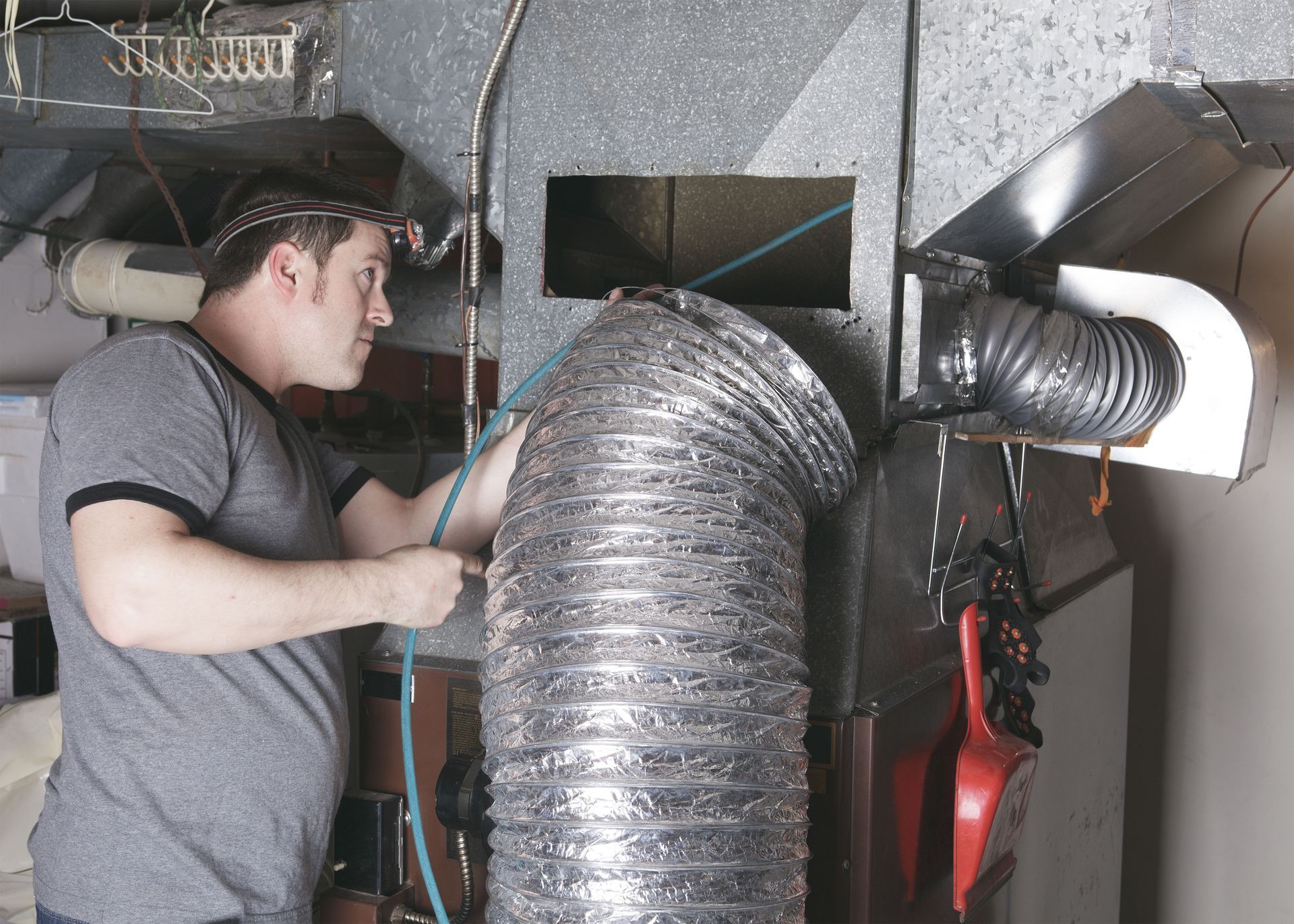
Efficient heating delivery depends largely on the condition of your home's ductwork. Blocked ducts can cause uneven heating, leading to cold spots, while leaky ducts allow warm air to escape before reaching its designated areas. Regular inspections can ensure any blockages are cleared and leaks sealed. Properly functioning ducts are essential for effective air distribution. Addressing duct issues promptly enhances the system's ability to maintain a consistent indoor climate.
Balancing Air Distribution
An imbalance in air distribution can lead to some areas being warmer than others. This imbalance is often due to the improper calibration of the heating system or obstructed pathways. Ensuring all vents and pathways are unobstructed promotes even airflow throughout the home. A professional examination can diagnose complex issues causing such imbalances. Correcting air distribution allows for uniform heat and comfort across all rooms.
Clearing Closed or Blocked Vents
Vents blocked by furniture or decorations restrict the flow of warm air into living spaces. Homeowners should be mindful of vent placement and keep them unobstructed for optimal airflow. Closed vents in unused rooms may sound practical, but could lead to increased pressure in the system, causing strain. This pressure imbalance can detract from heating efficiency and create cold spots elsewhere. Ensuring all vents are open and clear improves air distribution and system performance.
Resolving Thermostat Issues
Thermostat placement is critical to a heating system's performance. If placed in drafty areas or direct sunlight, thermostats can provide inaccurate readings, leading to temperature discrepancies. Rooms may end up warmer or cooler than intended, causing discomfort and inefficiency. Optimal placement involves being central and away from any artificial temperature fluctuations. A correctly placed thermostat and quality heating repair give a truer representation of the home's overall temperature, ensuring even heating.
Calibrating Uncalibrated Thermostats
Uncalibrated thermostats can lead to incorrect temperature regulation, directly impacting home heating systems' efficiency. When a thermostat's calibration is off, it misreads room temperatures, causing the system to overheat or underheat areas. Over time, inaccurately calibrated thermostats lead to noticeable cold spots. Many modern thermostats offer calibration settings that need to be assessed periodically. Regular attention ensures the thermostat reflects the true ambient temperature.
Analyzing Structural Factors
Windows and doors are often the primary culprits for heat loss in any residence. Older windows and doors might have gaps or cracks, allowing drafts that introduce unwanted cold into spaces. Sealing these gaps with weatherstripping or upgrading to energy-efficient models is highly effective. Cold air infiltration through these structures increases heating demands, leading to cold spots. Addressing these common points of entry fortifies your home's overall energy efficiency.
Upgrading Inefficient Roofing Materials
Roofing plays a crucial role in a home's heat retention capabilities. Outdated or inefficient roofing materials may fail to insulate adequately, causing heat to escape more readily. Beyond serving a protective purpose, modern roofs are designed to enhance thermal retention. Ensuring roofs are in top condition and made of effective materials supports maximal thermal efficiency. A roof upgrade can be a significant factor in maintaining consistent temperatures and eliminating cold spots.
Identifying the underlying causes of cold spots through a systematic analysis of your home's heating system can lead to effective solutions. Enhanced comfort, increased energy efficiency, and potential cost savings await those who tackle these issues head-on. From insulation gaps to mechanical wear, there are various factors to examine in your pursuit of optimal home warmth. Taking the time to assess and address these factors will ultimately create a more comfortable living space.
If you are tired of dealing with uneven temperatures and want to ensure your system is running perfectly, it is time to bring in the professionals. Contact Malone Heat & Air, Inc today for a comprehensive inspection and expert heating repair to keep your home warm all season long.