November 18, 2026
Your home's HVAC system plays an essential role in maintaining indoor comfort throughout the year. However, keeping your home comfortable doesn't have to mean dealing with high energy bills. Understanding HVAC efficiency can help homeowners make smarter decisions about maintenance, equipment upgrades, and everyday energy use. Recognizing the factors that affect performance can reduce energy waste and improve heating and cooling results.
Understanding HVAC System Efficiency
Defining System Efficiency and Its Importance
HVAC system efficiency refers to how effectively a heating, ventilation, and air conditioning system converts energy into usable heating and cooling. Higher efficiency requires less energy to maintain comfortable indoor temperatures, potentially lowering utility bills and environmental impact. As the industry expands, demand for reliable HVAC services and energy-efficient solutions remains important. According to IBISWorld, the market size of the heating & air-conditioning contractors industry in the United States is $159.4bn in 2026, reflecting the significant role these systems play in residential comfort and building operations.
Understanding Efficiency Ratings and Energy Sources
HVAC systems use several ratings to communicate energy performance. SEER (Seasonal Energy Efficiency Ratio) measures cooling efficiency, while AFUE (Annual Fuel Utilization Efficiency) evaluates how effectively a heating system converts fuel into usable heat. Higher ratings generally indicate better performance and lower potential operating costs. Homeowners should also compare energy sources. Electric heat pumps provide efficient heating and cooling, while natural gas furnaces offer dependable heating in colder conditions. Local utility rates, climate, and household requirements influence which system makes the most sense. Professional HVAC services can help homeowners compare equipment options and operating costs.
Using Smart Thermostats Effectively
Smart thermostats can improve energy efficiency by allowing homeowners to establish temperature schedules, adjust settings remotely, and monitor energy usage. Some models adapt to household routines, reducing unnecessary heating and cooling when nobody is home. Proper temperature management limits energy waste without sacrificing comfort.
Identifying Factors That Affect HVAC Efficiency
Considering System Age and Installation Quality
As HVAC equipment ages, components can deteriorate and lose efficiency. Older systems may require more energy to maintain comfortable temperatures, particularly when parts become worn or outdated. Regular HVAC services can help maintain existing equipment, but replacement may eventually become more practical. Installation quality also matters. Improper sizing, incorrect calibration, and poorly configured ductwork can prevent equipment from operating efficiently. Professional installation helps match the system to the home's heating and cooling requirements.
Maintaining Ductwork and Insulation
Ductwork distributes conditioned air throughout the home, making its condition important to overall efficiency. Leaks, damaged connections, and debris can interfere with airflow and allow heated or cooled air to escape. Insufficient insulation and gaps around windows and doors create similar problems. Sealing leaks, repairing ducts, and improving insulation can stabilize indoor temperatures while reducing energy consumption. HVAC services that include duct inspections can identify problems affecting airflow.
Accounting for Local Climate Conditions
Climate affects how frequently an HVAC system operates and how much energy it consumes. Homes with hot summers, cold winters, or significant humidity may have different equipment requirements. System selection should account for seasonal temperatures, moisture levels, and the home's layout. Shade trees and window treatments can also influence heating and cooling demands.
Maintaining HVAC Systems for Better Efficiency
Replacing Air Filters Regularly
Replacing air filters is a simple way to support efficient HVAC operation. Dirty filters restrict airflow, making equipment work harder to circulate conditioned air. Depending on the filter type, household conditions, and manufacturer recommendations, replacement may be necessary every one to three months. Homes with pets or significant dust may need more frequent attention. Clean filters also capture airborne particles and support better indoor air quality.
Scheduling Professional Maintenance
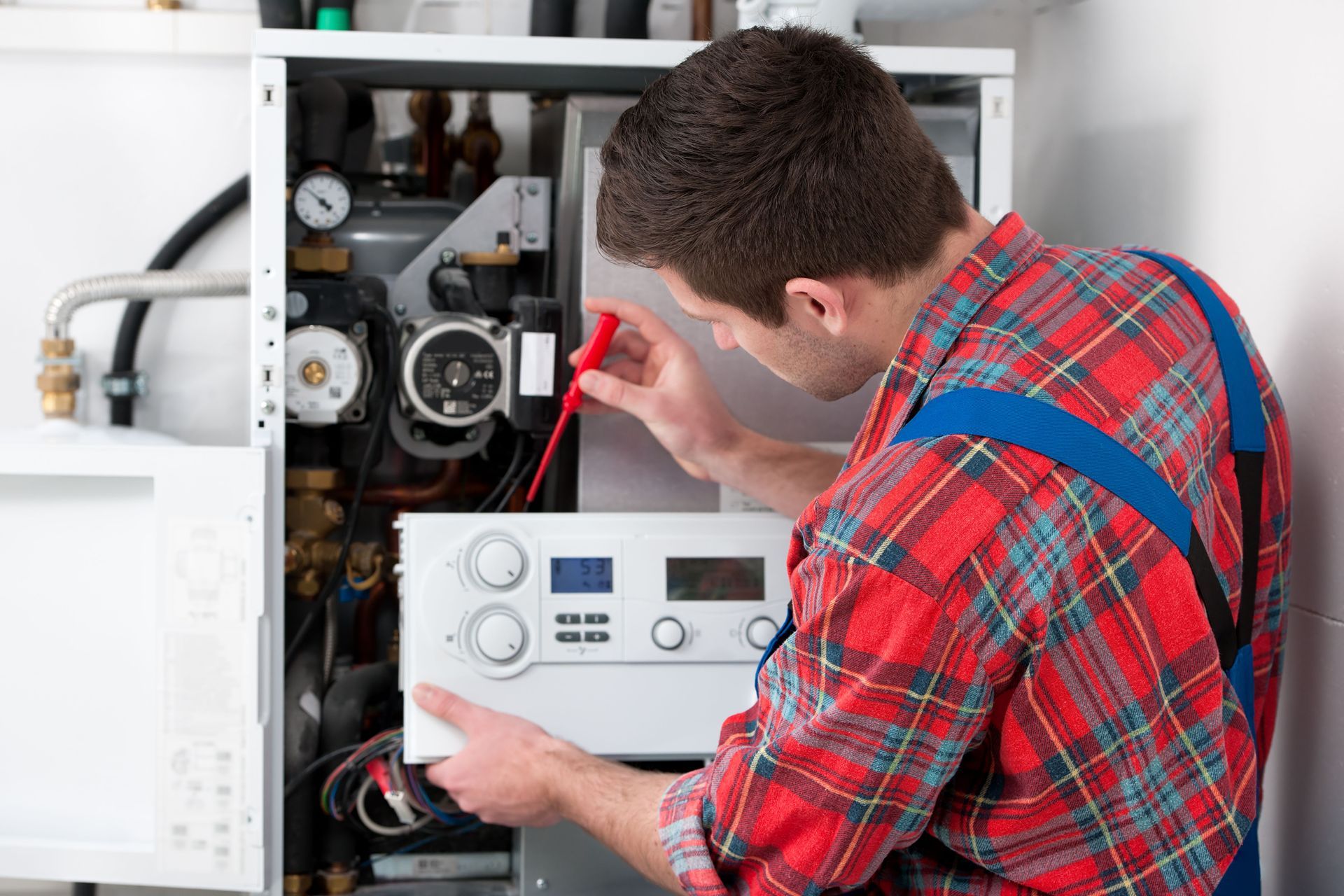
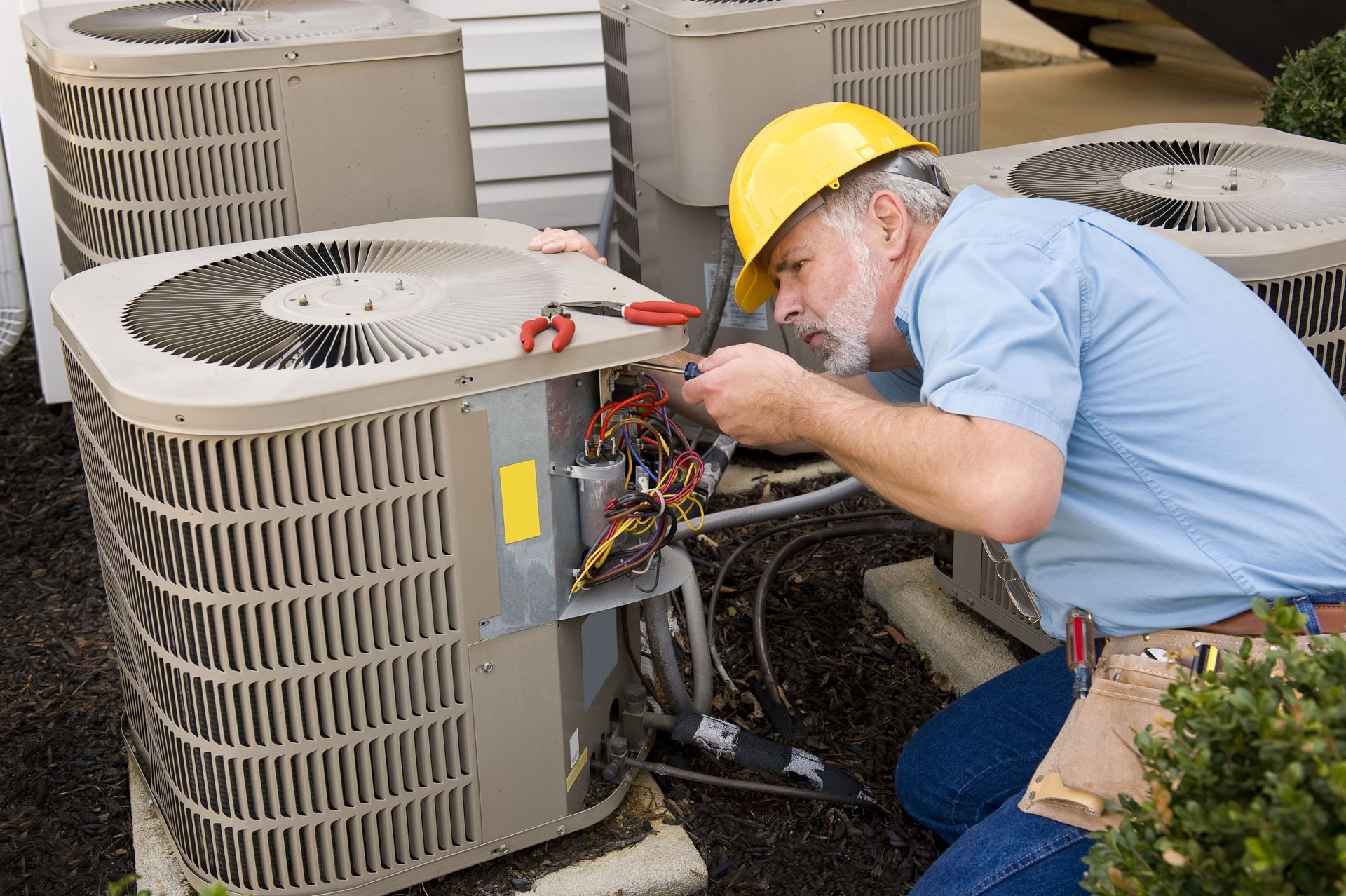
Professional maintenance before the main heating and cooling seasons can help identify developing problems. During an appointment, a technician may inspect electrical connections and mechanical components, check refrigerant levels when applicable, and clean important equipment parts. These evaluations can reveal issues before they cause breakdowns or reduced performance. Scheduling routine HVAC services also gives homeowners an opportunity to discuss unusual noises, inconsistent temperatures, and rising energy consumption. Consistent maintenance helps preserve performance and identify repair needs early.
Monitoring Airflow and System Performance
Homeowners should keep supply and return vents clear of furniture, rugs, and other items. Dust and debris around vents can interfere with airflow, while buildup inside ductwork may require professional attention. Watch for unusual noises, longer heating or cooling cycles, frequent starts and stops, and inconsistent temperatures. These symptoms may indicate problems that need professional evaluation.
Evaluating High-Efficiency HVAC Upgrades
Recognizing When Replacement May Be Necessary
Frequent repairs, rising energy bills, and declining comfort can indicate that an HVAC system is approaching the end of its useful life. Equipment more than 10 to 15 years old may also lack the efficiency features found in newer models. However, age alone does not determine whether replacement is necessary. Homeowners should consider performance, repair expenses, equipment condition, and potential energy savings before deciding.
Exploring Modern Equipment Options
Today's HVAC equipment includes technologies designed to improve energy performance. Variable-speed motors adjust airflow to changing heating and cooling demands, while advanced compressors help regulate operation. Heat pumps, geothermal systems, and ductless mini-splits may also provide efficient alternatives depending on the home's layout and climate. Comparing these options with a contractor can help homeowners find suitable equipment. Experienced HVAC services can also help determine whether an existing system needs targeted improvements or complete replacement.
Calculating Potential Long-Term Savings
Although efficient HVAC equipment may cost more initially, lower energy consumption can offset some of that expense over time. Homeowners should compare operating costs, installation expenses, maintenance requirements, and expected equipment lifespan. Rebates, tax credits, and utility-sponsored incentives may also reduce the initial investment for qualifying equipment. Reviewing these factors provides a clearer picture of potential savings.
Using Technology to Improve HVAC Performance
Integrating Smart Home Features
Smart home technology allows HVAC equipment to work alongside connected devices. Automated schedules, occupancy sensors, and remote temperature controls can reduce unnecessary heating and cooling. Some systems also provide alerts when performance changes or maintenance may be needed. These features give homeowners greater control over indoor comfort and energy consumption.
Monitoring Equipment Through Connected Technology
Some modern HVAC systems use sensors and internet connectivity to collect information about operating conditions. This data helps homeowners and technicians identify performance changes, recognize potential problems, and make informed adjustments. Certain systems support remote diagnostics, allowing technicians to review equipment information before an in-person appointment. Although these features do not replace physical inspections, they can make system management more convenient.
Understanding the Benefits of HVAC Efficiency
Reducing Energy Consumption and Utility Costs
Efficient HVAC equipment requires less energy to provide heating and cooling, which can reduce utility expenses and environmental impact. Regular maintenance, properly functioning ductwork, and appropriate thermostat settings all contribute to better performance. Combined with efficient equipment, these measures help homeowners manage operating costs without compromising comfort.
Creating a More Comfortable Indoor Environment
Efficiency improvements can also make a home more comfortable. Maintained equipment and balanced airflow help reduce temperature differences between rooms. Effective humidity control and appropriate filtration further support indoor air quality. When systems operate as intended, homeowners can enjoy a more consistent environment throughout the year.
Supporting Home Value and Energy Conservation
An updated HVAC system can make a property more appealing to prospective buyers, particularly those interested in energy efficiency and reliable equipment. Buyers may appreciate newer systems, documented maintenance, and lower expected operating costs. Although an upgrade does not guarantee an increase in property value, efficient heating and cooling equipment can be a worthwhile investment in the home's condition. Reduced household energy consumption also supports broader conservation efforts.
For homeowners looking to improve comfort, manage energy expenses, and maintain dependable equipment, Malone Heat & Air, Inc. can help evaluate heating and cooling needs. Contact the team to discuss available HVAC services, schedule an evaluation, and explore practical ways to improve your home's energy efficiency.