November 12, 2026
An HVAC system should operate in a way that keeps indoor temperatures comfortable without constantly turning on and off. However, when a heating or cooling system repeatedly starts and stops, the unusual behavior can make it difficult to maintain a consistent indoor environment. Frequent cycling may also indicate that something within the system needs attention.
Identifying the reason behind this behavior is an important part of maintaining an HVAC system. From examining thermostat settings to inspecting individual components, professional troubleshooting can help uncover the source of the problem and determine the appropriate repairs.
In this article, we will discuss how an HVAC contractor can troubleshoot frequent system cycling, which potential issues may contribute to the problem, and why professional maintenance can help keep heating and cooling equipment operating properly.
They Examine the Thermostat Settings
One of the first steps in troubleshooting frequent system cycling is examining the thermostat. Since this device communicates temperature preferences to the HVAC system, incorrect settings or problems with its operation can affect when the equipment turns on and off.
An HVAC professional can check the thermostat's settings, placement, and general functionality. If the device is not accurately communicating with the system, adjustments or repairs may be necessary to restore consistent operation.
The contractor may also review whether the thermostat is programmed appropriately for the household's needs. Correcting configuration issues can help prevent unnecessary cycling and support more consistent indoor temperatures.
The professional may also check whether the thermostat is positioned in an area that accurately reflects the home's indoor conditions. If it is exposed to unusual temperature changes, its readings may not represent the temperature throughout the property, potentially affecting how frequently the system operates.
They Inspect the Air Filter and Airflow
Airflow is another important consideration when investigating frequent system cycling. When an air filter becomes clogged with accumulated debris, it can restrict the movement of air through the HVAC system and interfere with normal operation.
An HVAC contractor can inspect the filter to determine whether it needs to be cleaned or replaced. The contractor can also examine other areas of the system to identify potential airflow restrictions that may be contributing to the cycling problem.
Addressing these concerns can help restore proper airflow throughout the equipment. Regular attention to filters and other airflow components can also make it easier to identify developing problems before they interfere with system performance.
The contractor may also examine the ductwork for obstructions or other conditions that could interfere with air distribution. Looking at the entire airflow system helps provide a clearer picture of whether the problem originates with the filter, ductwork, or another component.
They Check the System's Electrical Components
Electrical problems can also contribute to irregular HVAC operation. Connections, controls, and other electrical components play important roles in communicating operating commands and allowing equipment to function as intended.
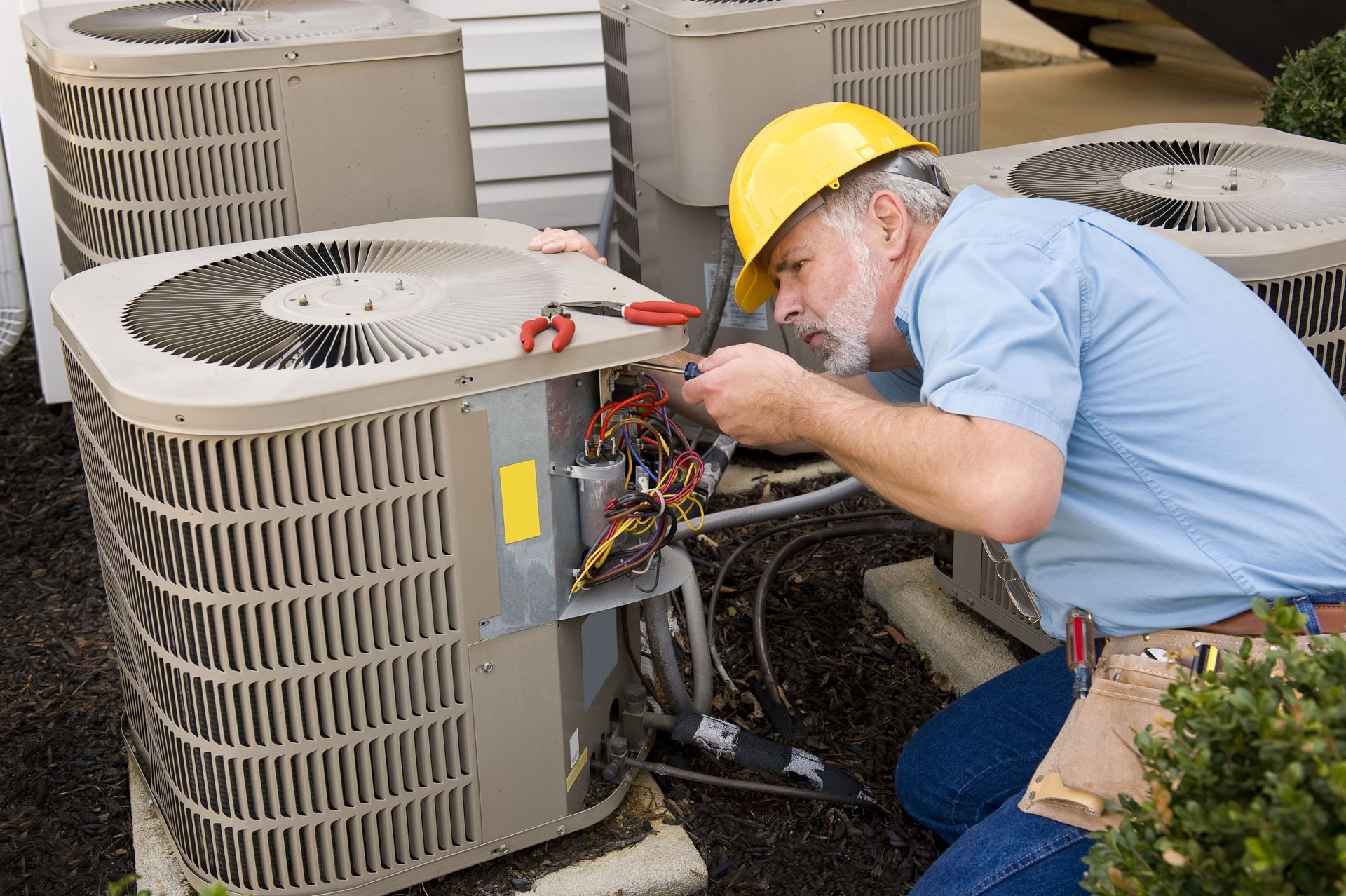
During an inspection, a professional can examine the system's electrical connections and controls for signs of damage or malfunction. If a component is not operating correctly, the contractor can determine whether it needs adjustment, repair, or replacement.
Electrical troubleshooting requires careful attention because different components work together to control system operation. An experienced HVAC contractor can evaluate these connections and identify problems that may cause the equipment to start and stop unexpectedly.
They Evaluate Refrigerant and Cooling Performance
For air conditioning systems, refrigerant-related concerns may also deserve attention when frequent cycling occurs. Refrigerant plays an important role in the cooling process, so problems involving the system's refrigerant levels or related components can affect overall operation.
An HVAC professional can inspect the cooling equipment and evaluate whether refrigerant-related issues may be contributing to the problem. If the inspection reveals a concern, the contractor can determine the appropriate next steps for addressing it.
The contractor may also examine other cooling components to identify potential performance issues. Taking a comprehensive approach helps prevent attention from being focused on one possible cause while overlooking another problem within the system.
They Investigate Oversized or Improperly Sized Equipment
Equipment sizing is another factor an HVAC professional may consider when troubleshooting frequent cycling. If a system is not appropriately matched to the space it serves, its operating patterns may not align with the property's heating and cooling needs.
A contractor can review the equipment specifications and consider the characteristics of the property. This evaluation can help determine whether the system's capacity is appropriate for the space and whether sizing concerns could be contributing to repeated starts and stops.
If the equipment is not properly sized, the contractor can explain the available options for addressing the situation. Depending on the findings, the solution may involve adjustments, repairs, or a discussion about replacing the existing system.
They Inspect Internal System Components
Frequent cycling can sometimes be connected to problems involving internal HVAC components. Parts responsible for controlling equipment operation may become damaged, worn, or unable to function as intended.
An HVAC professional can inspect the equipment to identify components that may be contributing to irregular operation. This process may involve examining the system's controls, safety mechanisms, and other parts associated with starting and stopping.
Identifying the specific source of the problem is important before recommending repairs. Rather than replacing components without a clear reason, a contractor can use inspection findings to determine which areas require attention.
They Review the System's Maintenance History
Maintenance history can provide useful information when investigating repeated system cycling. Previous repairs, recurring performance concerns, and the condition of the equipment can help a professional understand what may be happening.
According to Hansen, although most HVAC systems have an expected lifespan of 15 to 25 years, consistent maintenance remains essential for preventing smaller problems from developing. This makes routine inspections an important part of keeping heating and cooling equipment in good working condition.
An HVAC contractor can review the system's maintenance needs and identify areas that may have been overlooked. Addressing minor concerns through regular service can help homeowners avoid allowing small issues to interfere with normal equipment operation.
They Test System Performance After Repairs
Once potential problems have been identified and addressed, testing the system is an important part of the troubleshooting process. An HVAC professional can operate the equipment and observe whether it continues to start and stop unexpectedly.
This evaluation allows the contractor to determine whether the completed repairs have addressed the original concern. If frequent cycling continues, additional inspection may be necessary to investigate other potential causes.
Testing also gives the professional an opportunity to review the system's overall operation. Before completing the service appointment, the contractor can explain the work performed and discuss any additional maintenance recommendations.
Frequent HVAC system cycling can have several possible causes, ranging from thermostat problems and restricted airflow to electrical concerns and equipment sizing issues. Identifying the underlying problem requires a careful evaluation of the system rather than assuming that one particular component is responsible.
An experienced HVAC contractor can inspect the equipment, troubleshoot individual components, and recommend appropriate repairs based on the findings. Regular maintenance can also help identify smaller concerns before they affect the system's operation.
If your heating or cooling equipment keeps turning on and off, contact Malone Heat & Air, Inc to schedule an inspection. Professional troubleshooting can help identify the cause of frequent cycling and determine the best way to restore reliable system operation.