April 20, 2026
Keeping your HVAC system in peak condition doesn’t always require complex air conditioning and heating repairs or expensive service calls—consistent, preventative maintenance can make a significant difference. Simple tasks like replacing air filters, cleaning coils, and maintaining the outdoor unit help ensure your system runs efficiently year-round. These efforts not only improve indoor air quality and comfort but also reduce energy consumption and extend the lifespan of your equipment. By staying proactive with routine care, homeowners can avoid unexpected breakdowns and costly air conditioning and heating repairs while maintaining a comfortable living environment in every season.
1. Regularly Replace or Clean Air Filters
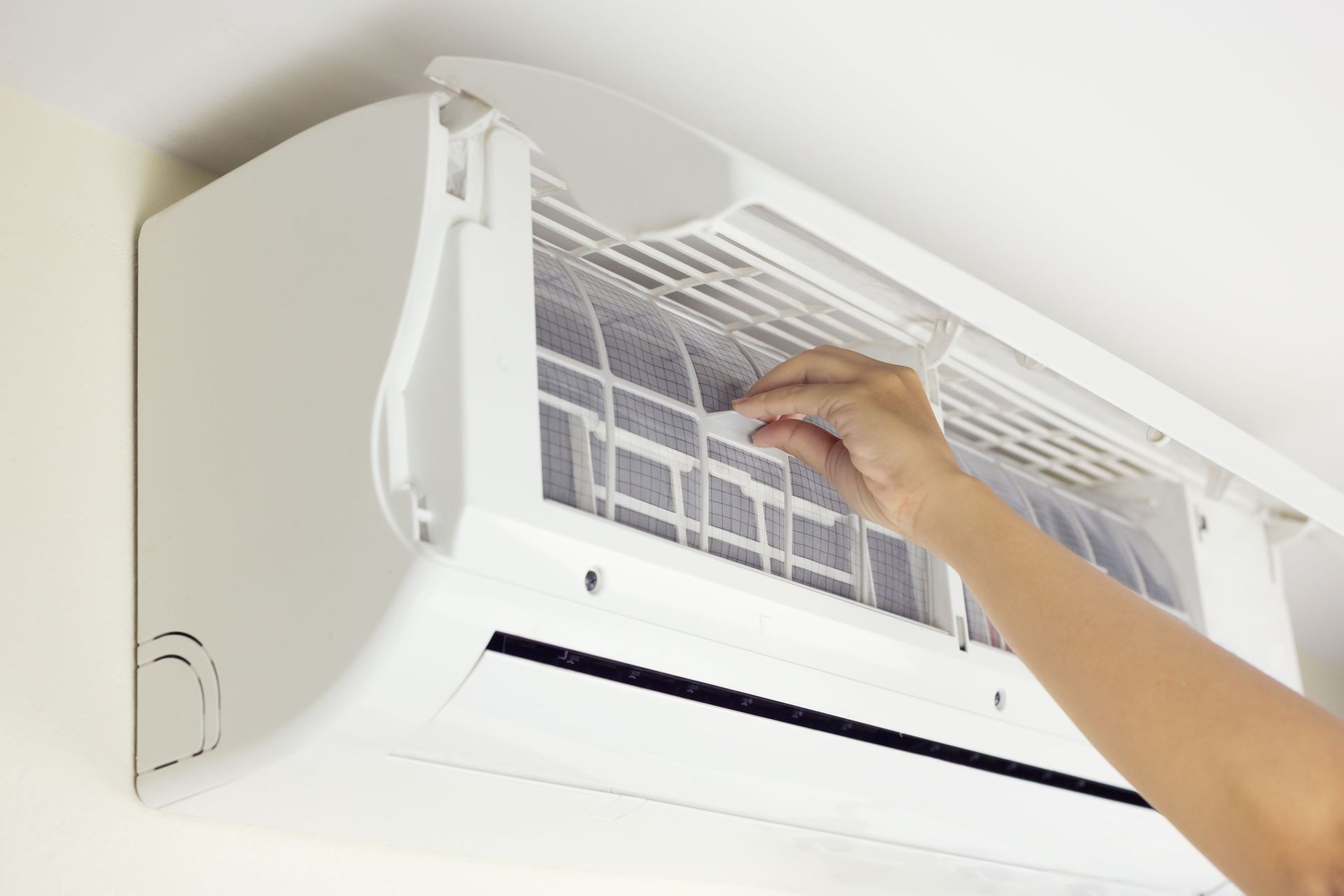
Clean air filters are essential for maintaining good indoor air quality and ensuring the efficient operation of your HVAC system. A clean filter traps dust, pollen, and other airborne particles that can degrade air quality. This not only contributes to better respiratory health but also enhances indoor comfort. Furthermore, a clean filter reduces energy consumption by allowing the HVAC system to circulate air more freely. This efficiency leads to lower energy bills, saving you money over time, and allowing you to skip the air conditioning and heating repair bills.
According to This Old House, air filters should be replaced every one to three months to maintain air quality. The frequency of replacement depends on several factors, including the type of filter, household lifestyle, and presence of pets. Homes with higher dust levels or multiple pets may require more frequent filter changes. Regularly checking and replacing filters prevents airflow blockages, ensuring optimal HVAC performance. Setting reminders can help ensure this simple yet vital task is not overlooked.
There are various types of air filters available, including fiberglass, pleated, electrostatic, and HEPA filters. Fiberglass filters are the most economical but need replacing more frequently than other types. Pleated filters, while more expensive, provide better filtration and have a longer lifespan. Electrostatic and HEPA filters are more advanced, offering higher levels of air purification. Understanding the lifespan and efficiency of each type can help determine which is best for your home.
Replacing air filters is a straightforward task that homeowners can easily complete. Begin by turning off your HVAC system to ensure safety during the replacement process. Locate the filter compartment, which is usually found near the blower unit. Remove the old filter and check its size, which is typically printed on the frame, to purchase the correct replacement. Once you have the new filter, insert it into the compartment with the arrow on the filter frame pointing towards the blower. After placing the filter, secure the compartment cover and turn the HVAC system back on.
Several signs indicate that an air filter needs immediate replacement or cleaning. A noticeable decrease in airflow from vents suggests a clogged filter. An increase in dust accumulation throughout your home can also indicate a dirty filter. If anyone in the household experiences unexplained allergy symptoms, the air filter might not be effectively trapping allergens. Additionally, higher energy bills may result from the HVAC system being strained by a clogged filter. Regular inspection and maintenance can help identify and resolve these issues promptly, so that you don't need any air conditioning and heating repair.
2. Check and Clean Coils
Coils are a critical component of your HVAC system, influencing its overall performance and efficiency. The evaporator coil, found indoors, absorbs heat from the air and helps dehumidify the indoor environment. The condenser coil, located in the outdoor unit, releases the absorbed heat into the outside air. Effective heat transfer between these coils is vital for maintaining a comfortable indoor temperature. Clean coils are essential for maximizing the system’s cooling and heating capabilities.
Dirty coils reduce the efficiency of your HVAC system, leading to increased energy consumption and potentially causing damage over time. A significant buildup of dust, dirt, or debris on coils indicates that they need cleaning. Restricted airflow due to dirty coils can lead to longer system runtimes, increasing energy costs. Additionally, signs such as inconsistent temperatures or unusual noises might also point to dirty coils. Regular visual inspection can help identify when cleaning is necessary.
Cleaning HVAC coils requires specific tools to ensure the job is done properly and safely. A soft brush or a coil cleaning brush is essential for gently removing dirt without damaging the coils. A spray bottle or garden sprayer can be used to apply a coil-cleaning solution if needed. A vacuum with a soft brush attachment helps in removing loose debris. Gloves and safety goggles are recommended to protect against potential irritants from cleaning agents or debris. Having these tools on hand ensures that each cleaning is thorough and efficient.
Cleaning the coils of your HVAC system is crucial for maintaining efficient operation. Begin by turning off the power to the unit to ensure safety. Remove any outer panels to access the coils, carefully using a screwdriver if necessary. Using a soft brush, gently remove dust and debris from the coils. If needed, apply a coil-specific cleaner following the manufacturer’s instructions.
3. Maintain the Outside Unit
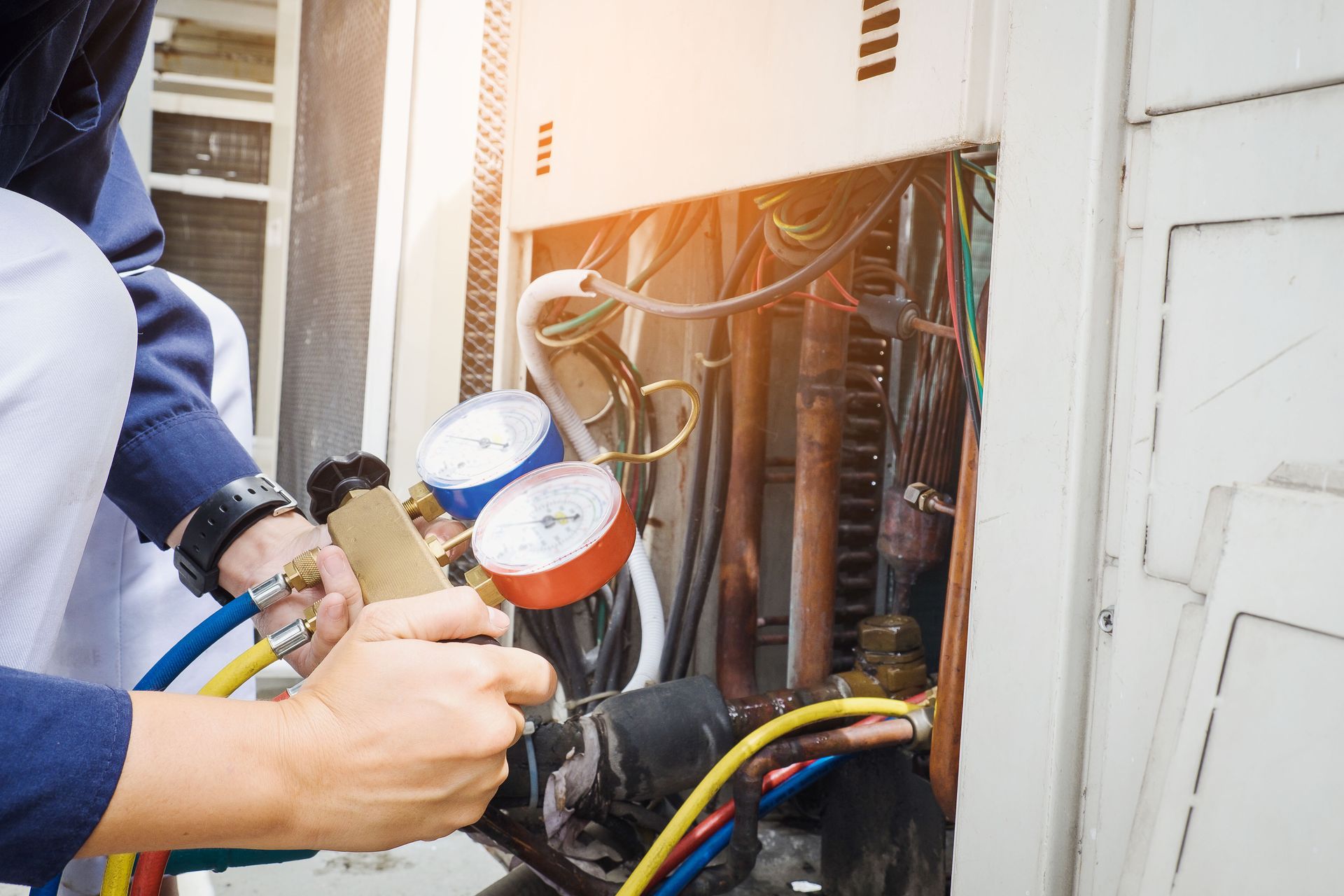
The outdoor unit of an HVAC system plays a crucial role in regulating indoor temperatures. It contains essential components such as the compressor and condenser coils, which are integral to the heat exchange process. Proper maintenance of this unit is vital for the efficiency and longevity of your HVAC system. An effective outdoor unit ensures consistent cooling and heating performance, enhancing comfort within your home. Regular attention prevents major issues and keeps your system running smoothly under varying weather conditions.
Clearing debris around the outdoor unit is key to optimal HVAC performance and efficiency. Leaves, grass, dirt, and other debris can obstruct airflow, forcing the system to work harder and consume more energy. Regularly inspect and remove any accumulated debris to maintain unobstructed airflow. Additionally, trim nearby foliage at least two feet away from the unit to prevent clogs and promote better air circulation. This simple practice prolongs the life of the unit and minimizes the risk of mechanical issues.
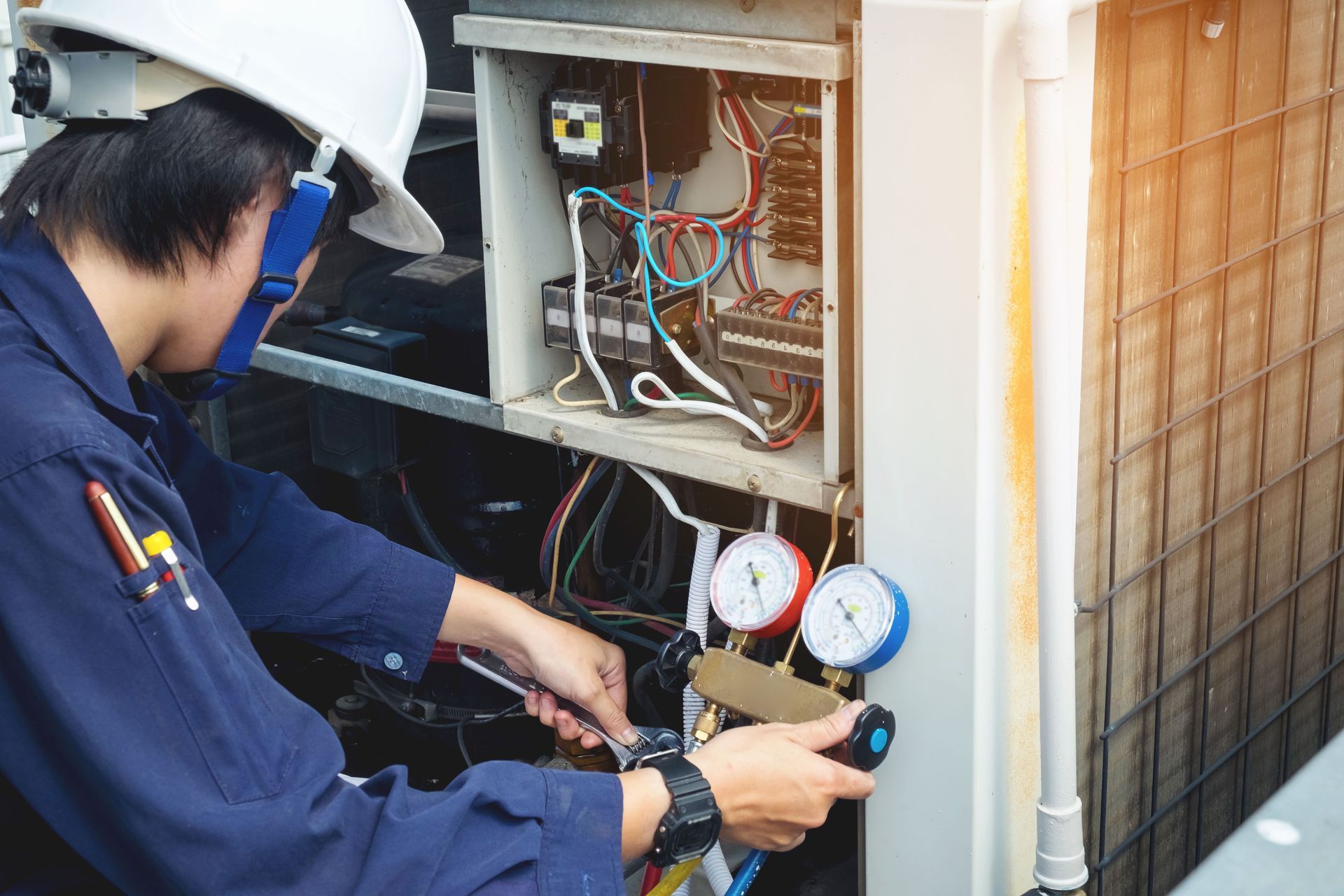
Regular inspection of the outdoor unit ensures early detection of potential issues before they escalate. Check for any visible damage, such as bent or corroded condenser fins, as these can affect efficiency. Inspect the casing for dents or signs of rust, which may indicate exposure to harsh environmental conditions. Cable and wire connections should also be checked for fraying or other wear-and-tear. By addressing these problems promptly, you can avoid costly air conditioning and heating repairs or replacements.
Implementing seasonal care strategies for your outdoor unit can significantly enhance its efficiency and lifespan. In summer, ensure the unit has adequate shade to reduce overheating and increase efficiency. During winter, protect the unit from ice and snow buildup by using a cover or installing a wind barrier. In spring and fall, thoroughly clean the unit as these are transitional periods where dirt and debris are more likely to accumulate. Seasonal maintenance helps your system adapt to changing weather conditions and maintain optimal performance, removing the need for air conditioning and heating repair.
If you want to get the most out of your HVAC system, start implementing these maintenance practices today to avoid needing air conditioning and heating repair. For deeper inspections or professional servicing, reach out to Malone Heat & Air, Inc, who can ensure every component is working at its best. Don’t wait for a breakdown—take action now to keep your system running smoothly and efficiently all year long.